

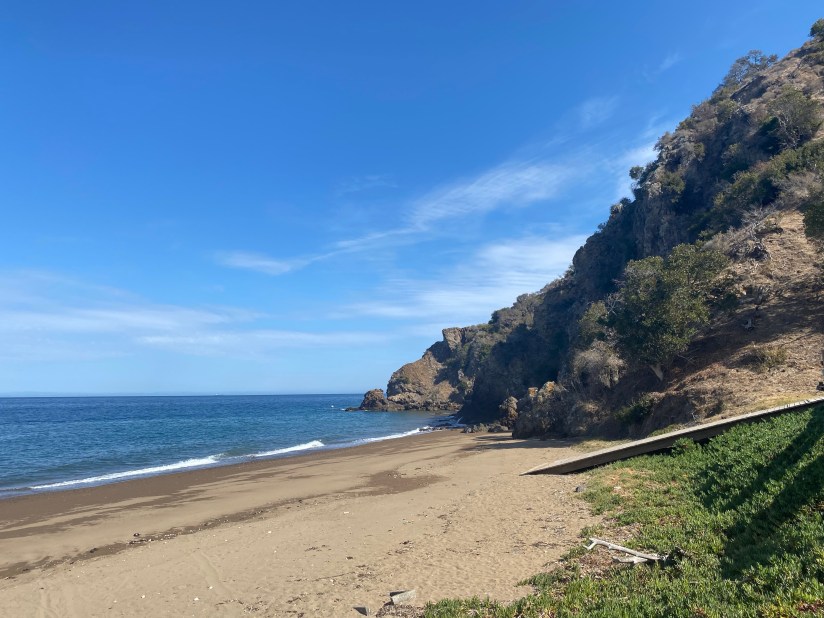
One of the perks, so to speak, of my job as a science teacher are the exotic locales we get to visit. I am being a little facetious with the word exotic, however, in all seriousness, at our school we are blessed to be able to provide some wonderful trips for our students. And while it is a working trip with all of the joys and challenge that a work trip entails, I did have a lot of fun visiting places I would not otherwise have the opportunity to visit.
Every year, toward the end of September, our seventh grade class takes a field trip to Catalina Island, about 26 miles off the coast of Southern California. We depart from the Queen Mary landing in Long Beach for the two hour or so boat ride to the island. I am familiar with our departure location as in years past I had watched my boys depart for their week-long Scout trips to Cherry Valley also on Catalina Island. Indeed, the last time I was at the landing prior to my 2021 Catalina trip was back in 2018 when I saw my son Nate and my dad off for their Fourth of July trip to Camp Cherry Valley. I felt a twinge of sadness at the thought and how much has changed in the past three years, but that was short-lived. After all I was there to help lead a school field trip. The staff of Catalina Classic Cruises is very organized and we quickly load to soon after depart from the shore. After passing the busy port of Long Beach, it was smooth sailing to the island for three days of learning adventure.
In this post, first published in 2021 and edited in 2023, I will explore the camps at Toyon Bay and Fox Landing. The Catalina Island Marine Institute runs the camps, as well as the camp at Cherry Cove. Their programs are well-run and very informative, and we have had great experiences at both locations. The camp at Fox Landing is a bit more rustic, but both camps offer accommodations that are in line with what you’d expect at a school camp.
Toyon Bay- 2021
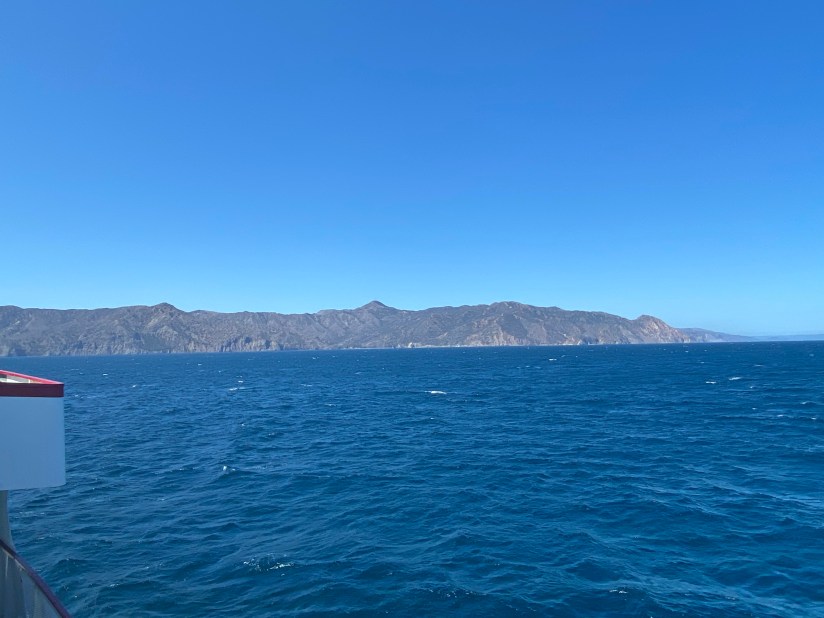
We enjoyed snorkeling, kayaking, and hiking in Toyon Bay on the east side of the island, north of the city of Avalon. The early fall days offered us bright sunny days and perfect weather for our various adventures, and it was fabulous. With an abundance of wildlife- especially deer, Catalina California quail, and evidence of foxes, not to mention the sharks that frequented the waters by the pier in the mornings, there was much to do and see.
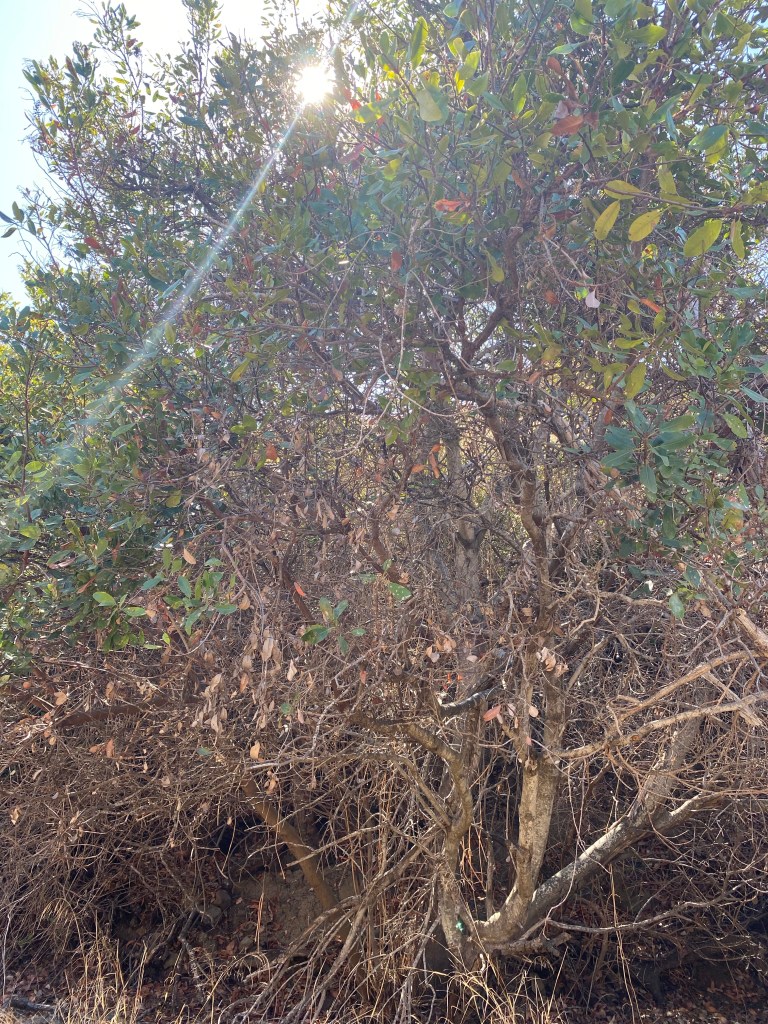
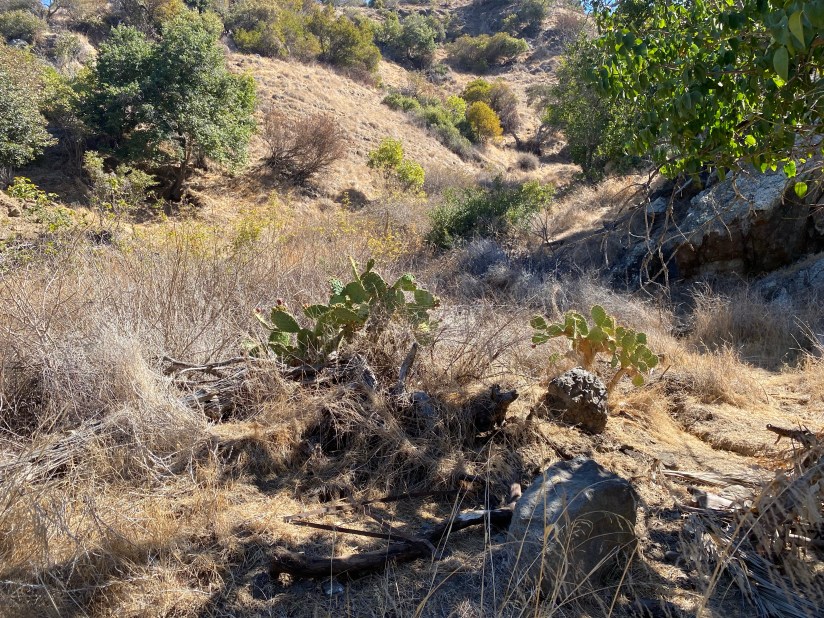

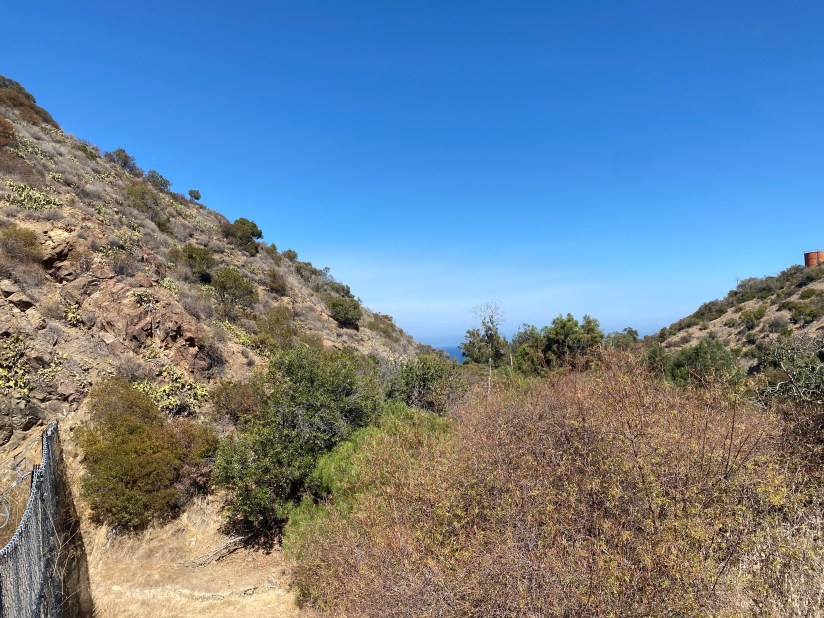
It wasn’t always like this though. When the island was first formed by subduction activity off the coast and geologic uplift, there wasn’t an abundance of biodiversity. Over time, plants carried on the wind and animals that scientists think floated on driftwood to the island, adapted to life in their new environs. It would have been a challenge to survive in an area that while surrounded by ocean, has few sources in terms of fresh water sources. Still life does find a way, and for millennia, plants, animals, and humans have thrived on the island.


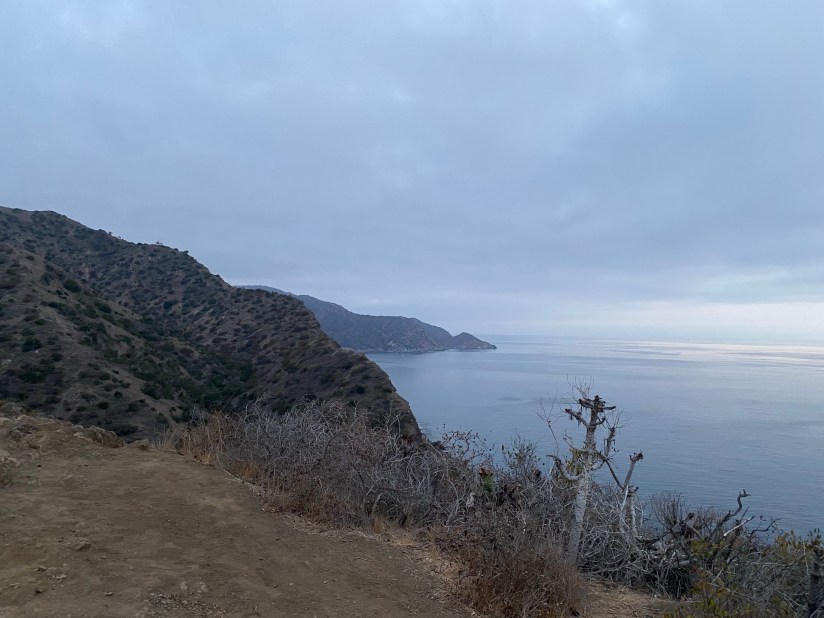
Today, there are still challenges. California’s lingering drought has plagued the island. The abundance of deer we saw looked to be rather unhealthy, the result of the overpopulation of this invasive species who have no natural predators on the island and lack of food thanks to the prolonged drought. While the kids felt a little bad for the emaciated deer, this was a great opportunity to see those principles of ecology in action. I was very thankful that we all had the opportunity to go to learn in this beautiful outdoor setting, and for anyone considering an outdoor science school, I would ten-out-of-ten recommend. And in all honesty, I learned a ton on the trip too!

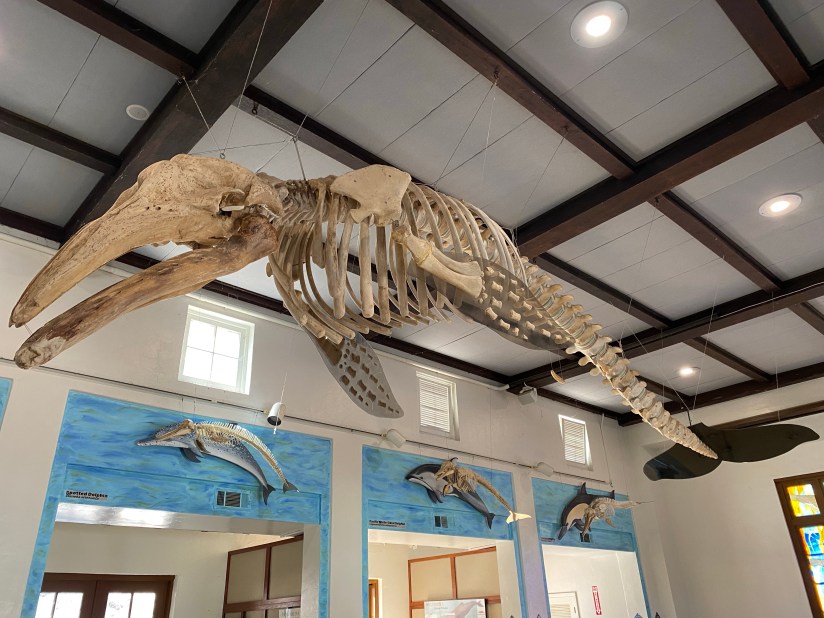
Fox Landing- 2023
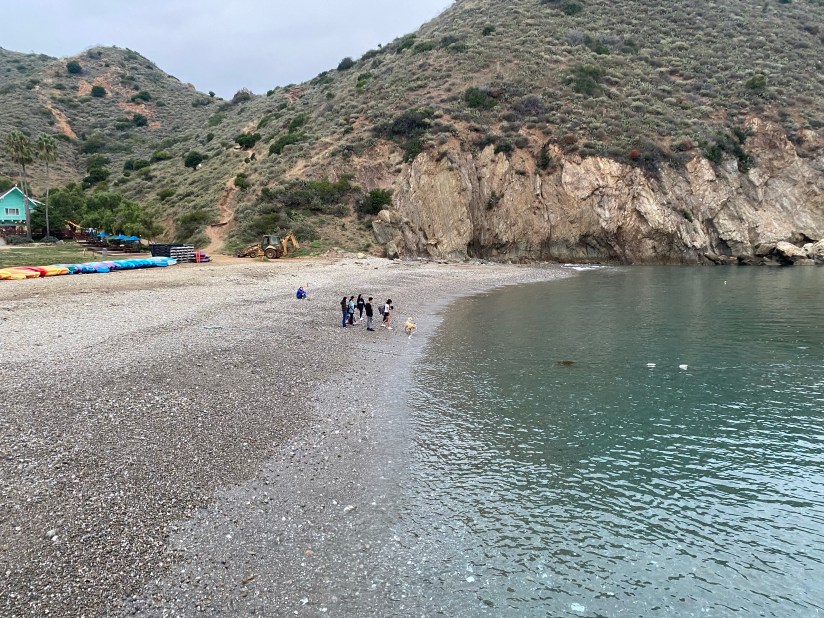
My next opportunity to visit Catalina was two years after the trip to Toyon Bay. This time, we camped at Fox Landing, located in the cove protected by Long Point about five miles from Avalon. After dropping off the Toyon Bay campers, Catalina Classic Cruises dropped off our mostly happy campers at Fox Landing.

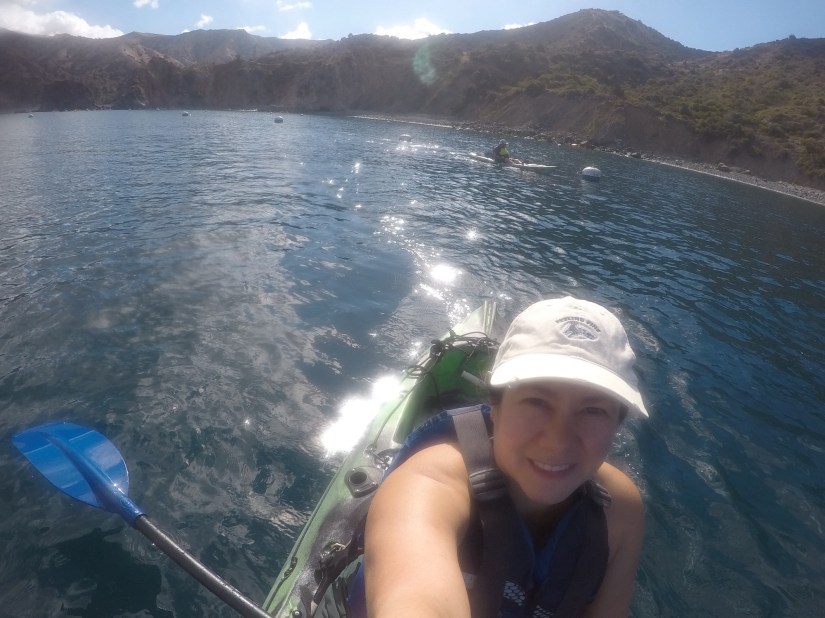
While the accommodations are indeed a bit more rustic, with open-air villas as well as cabins, the buildings are colorful and vibrant. Along with science activities such as the fish, algae, and shark labs, squid dissections, there are kinesthetic activities like a climbing wall, hiking, and low ropes. And of course, our students were able to have ocean adventures with snorkeling, kayaking, supervised free swimming.
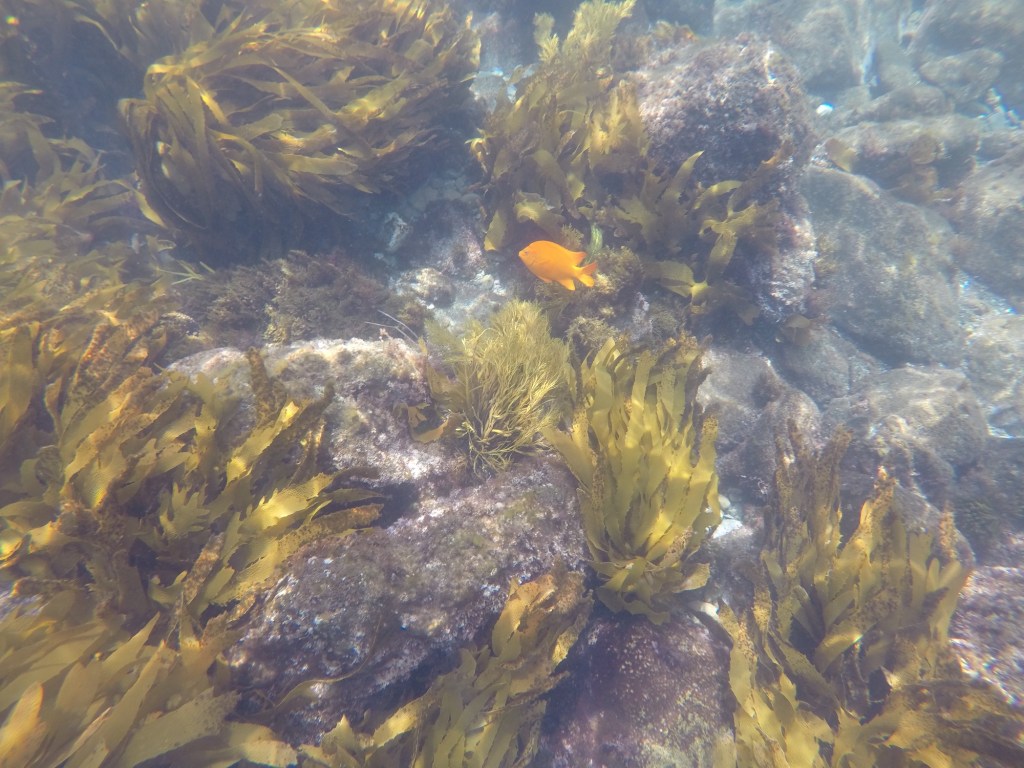
For many students, this was the first time they had the opportunity to kayak or snorkel. It was an adventure that they will remember. We also explored the terrain with guided group hikes, and the students learned more about the geological processes that worked to create the Channel Islands. It was a fun, educational experience outside of the classroom, and just as importantly, students were able to grow in their social-emotional learning being together in a different environment. And they made fun memories.

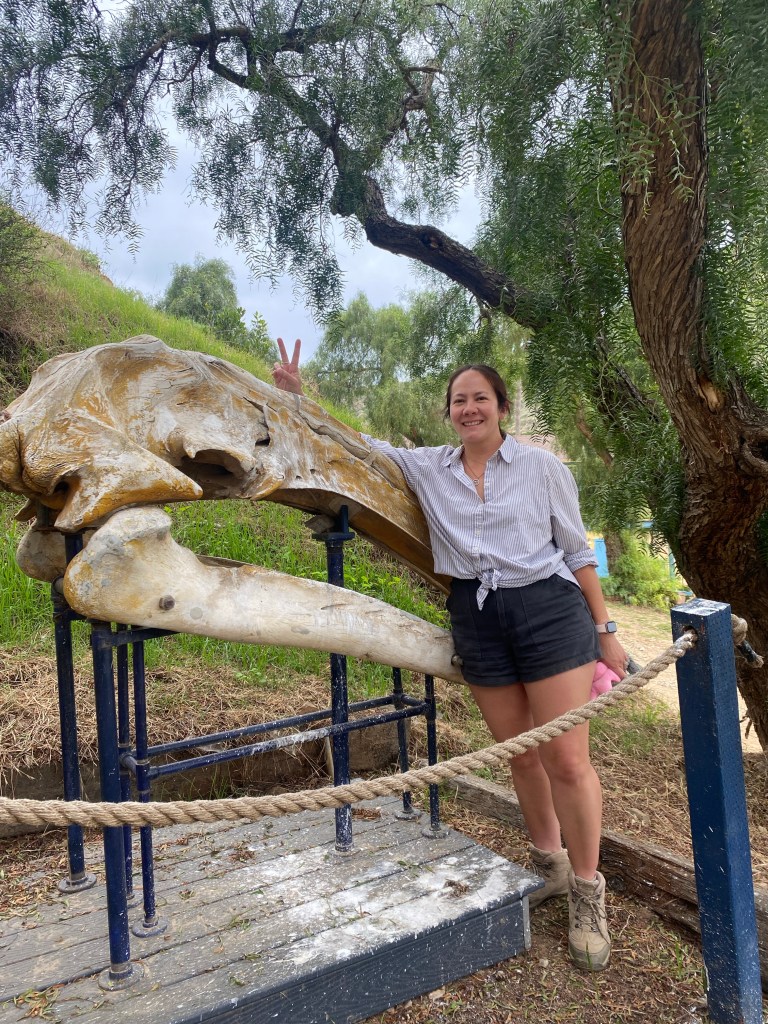
I am so thankful that our students had the opportunity to learn more about nature as well as themselves. Both treks were truly adventures in education.
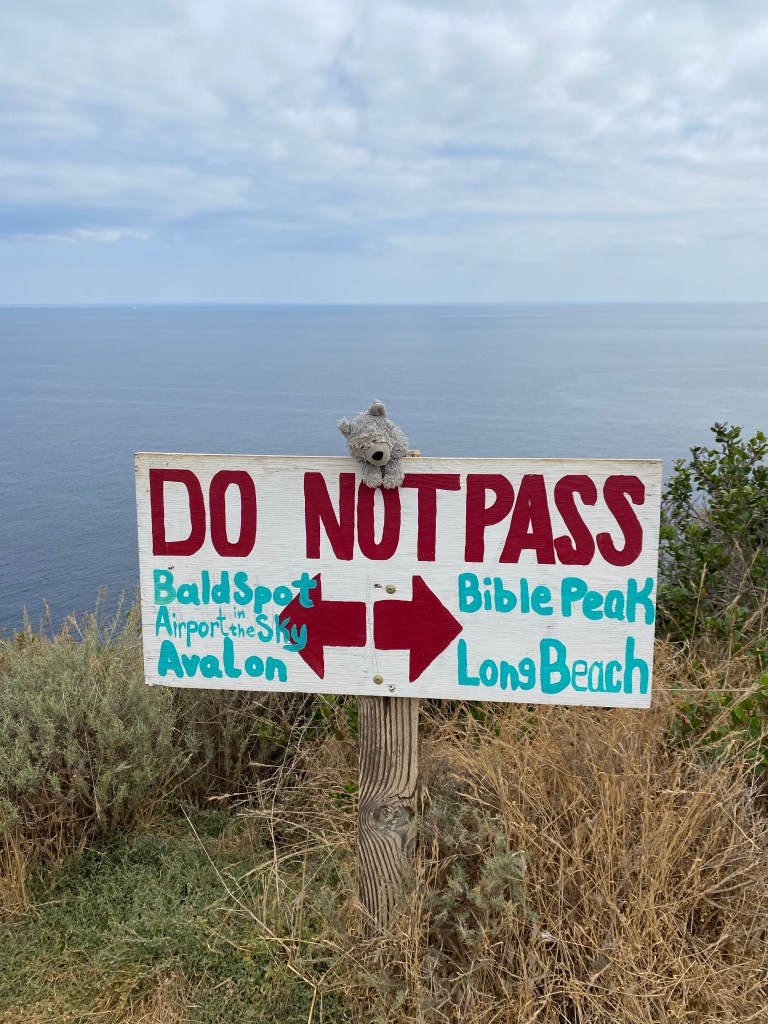
For more information about Catalina and its wildlife, check out the Catalina Island Conservancy.
Most of the information in this post was taught by the Catalina Island Marine Institute.


 The Cranky Camper
2 thoughts on “Catalina Island Field Tripping”