
In early 1848, while constructing a mill along the South Fork of the American River, James Marshall made a fateful discovery- gold. What followed had implications for the people of what would soon after become the state of California. The Gold Rush of 1849 ensued and brought an estimated 300000 prospectors to the territory in hopes of striking it rich. For many, this was a gilded dream, however, the rapid population increase accelerated the need for civil government. On September 9, 1850, California became a free state.
Coloma, California is home to the Marshall Gold Discovery State Park, right where the first discovery of gold in California occurred. The state park offers a glimpse into what life was like in over 150 years ago.

We visited the state park while Nate was on the water earning his whitewater merit badge. The park is only about a 10-minute walk from where we were staying at the American River Expeditions campground, and the weather was mild enough for a nice walk. This also saved us the $10 parking fee to park in the lots by the visitor center.
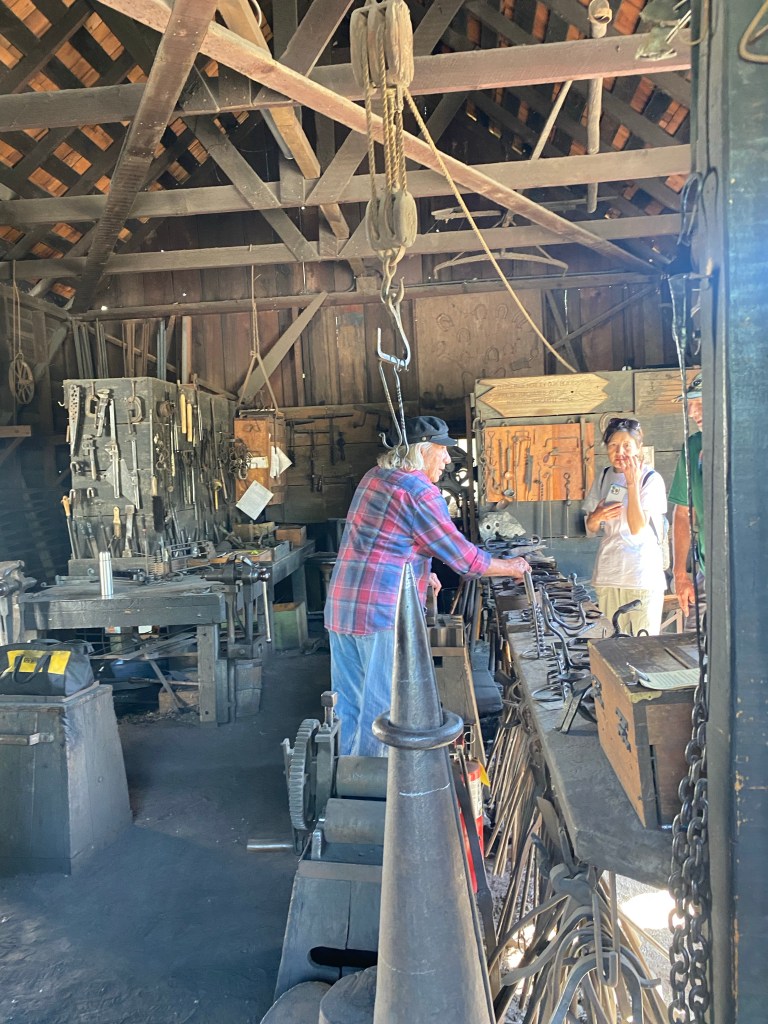

We first stopped at the blacksmith building. The building is occupied during the day by volunteers who recycle materials and fashion them into interesting art creations. While the objects in the building were not for sale, there are a few items that can be purchased at the visitor center. The artisan was friendly and knowledgeable and informed us of their processes as well as the differences among the different types of charcoal.
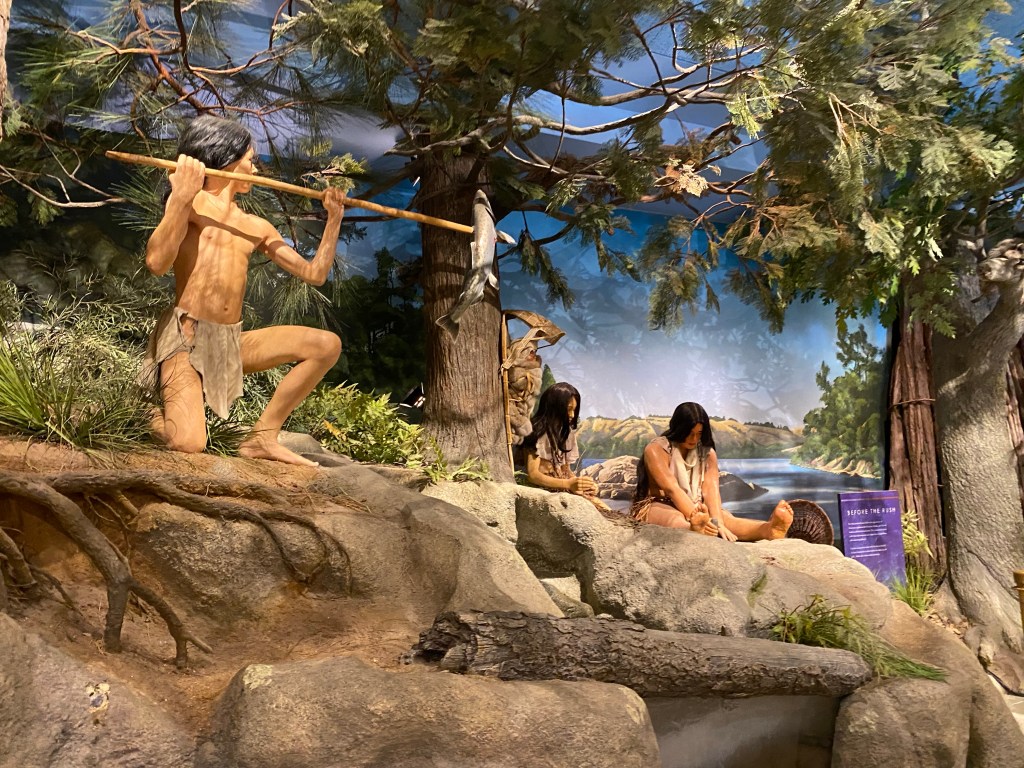
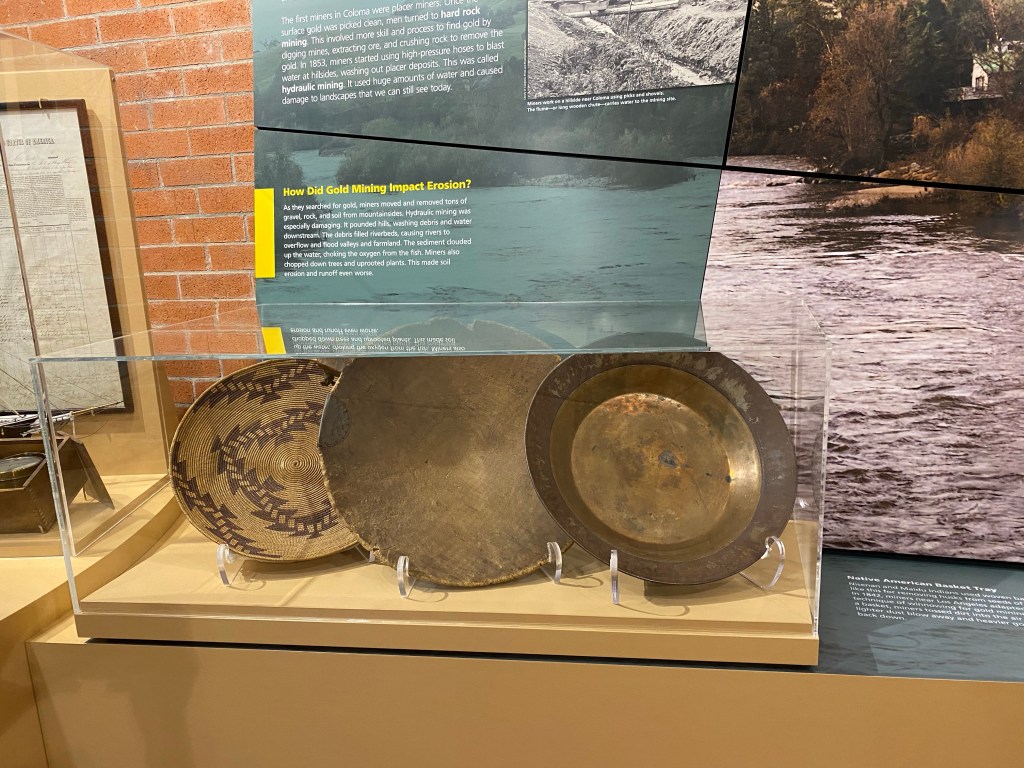
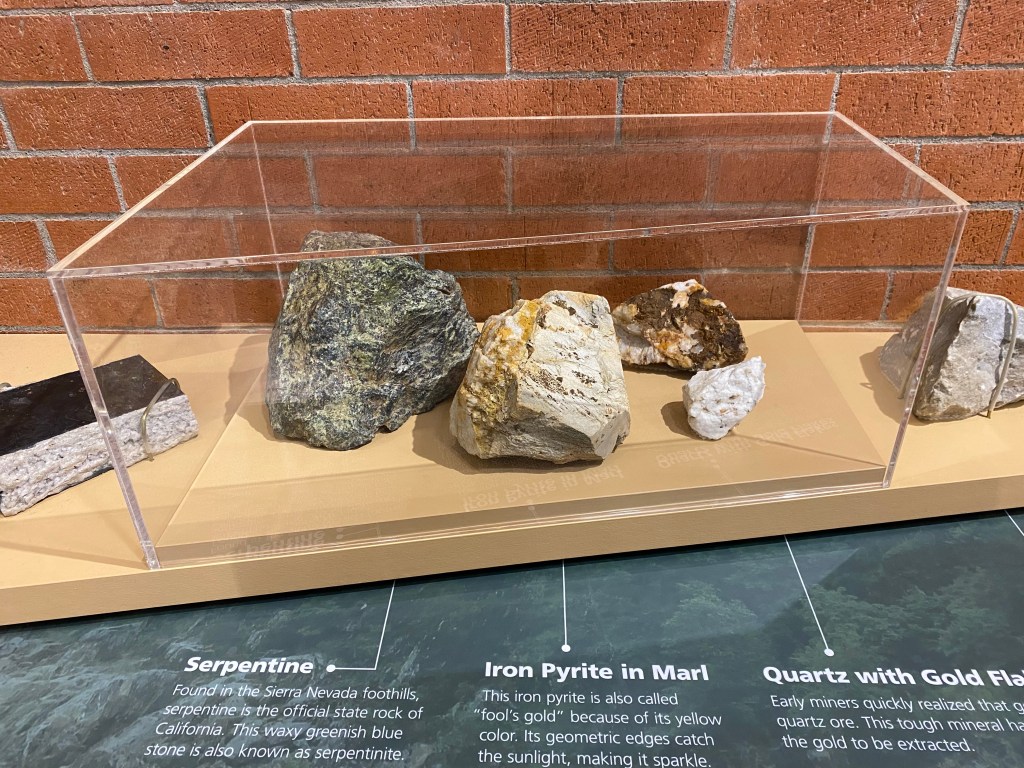
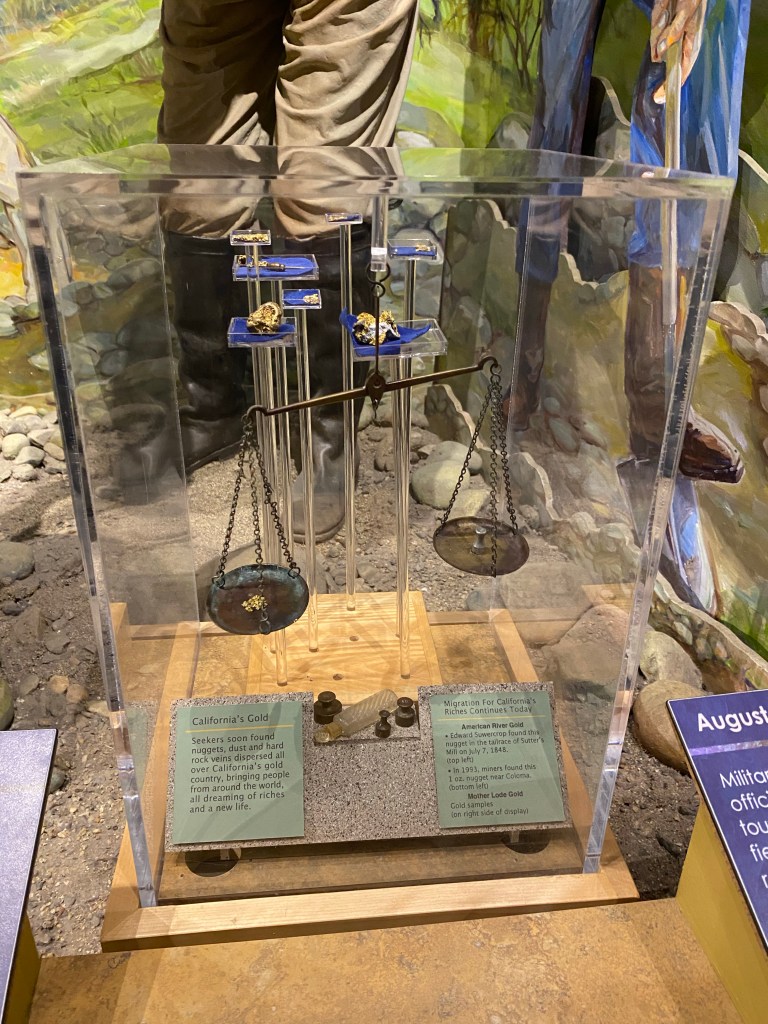

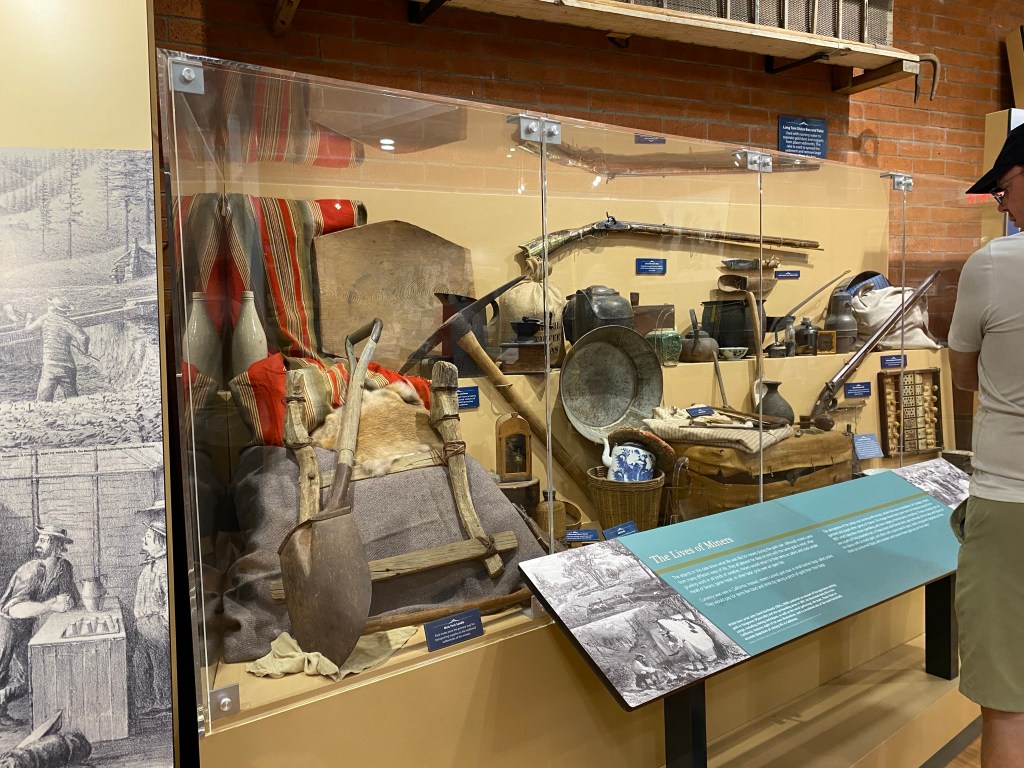
Our next stop was the visitor center. Over the past several years, the state parks launched the Reexamining the Past Initiative, with the goal of offering a more comprehensive look at California’s history beyond the immediate events of the Gold Rush. This was reflected in some of the exhibits at the visitor center museum, which included artifacts from Native peoples, as well as Chinese immigrants and the African-American families who were integral in the development and preservation of the area.

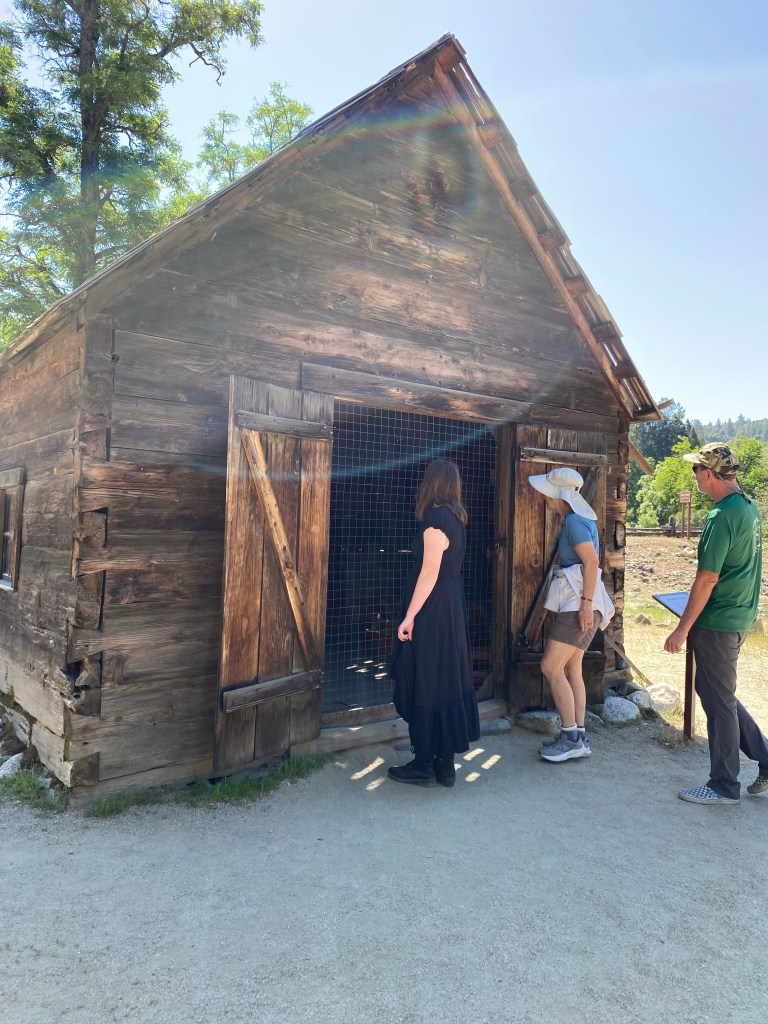
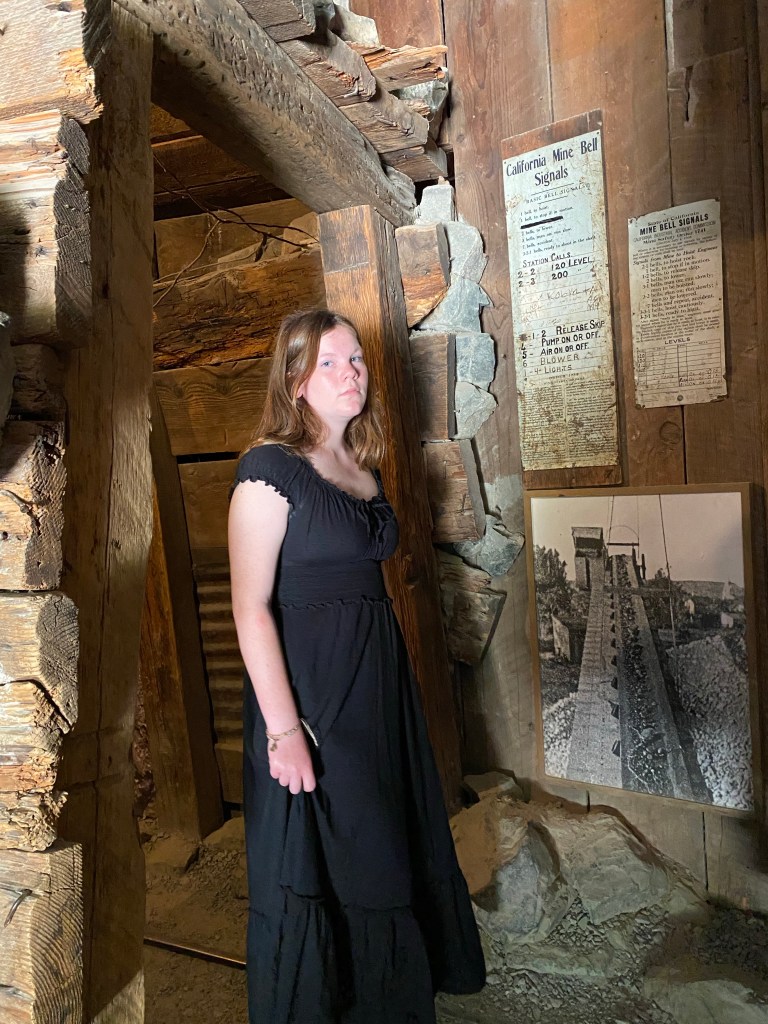
After checking out the visitor center and purchasing from the gift shop next door trinkets and stickers to commemorate our trip, we trekked on to visit the historic buildings. We walked by the old Chinese store and other buildings that have been restored and preserved.
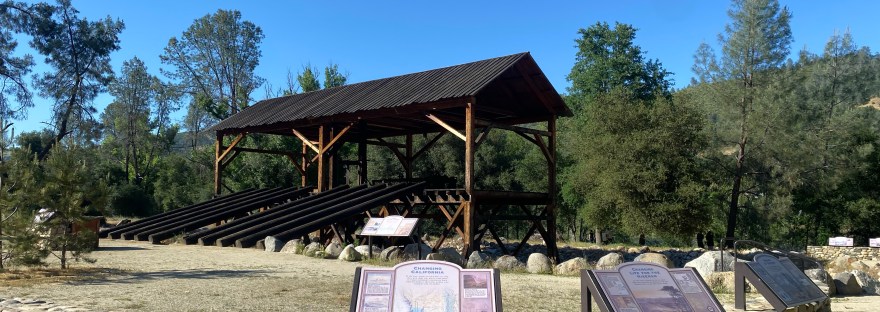
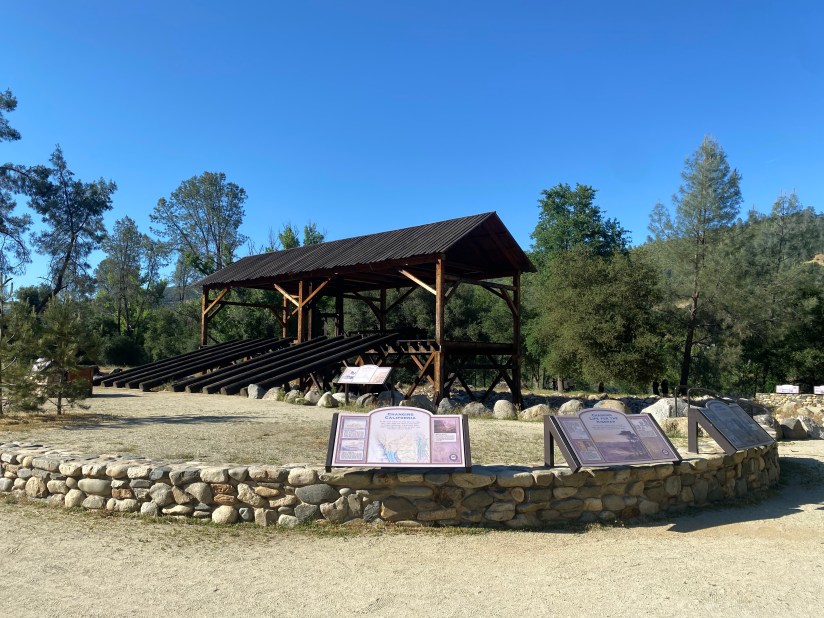
But what Sami really wanted to visit was the replica of the old sawmill, built near the location of the original Sutter’s Mill, where gold was first discovered in the tailrace of the mill. In 2018, the replica mill built in the 1960s was torn down and rebuilt after it became structurally unsound.


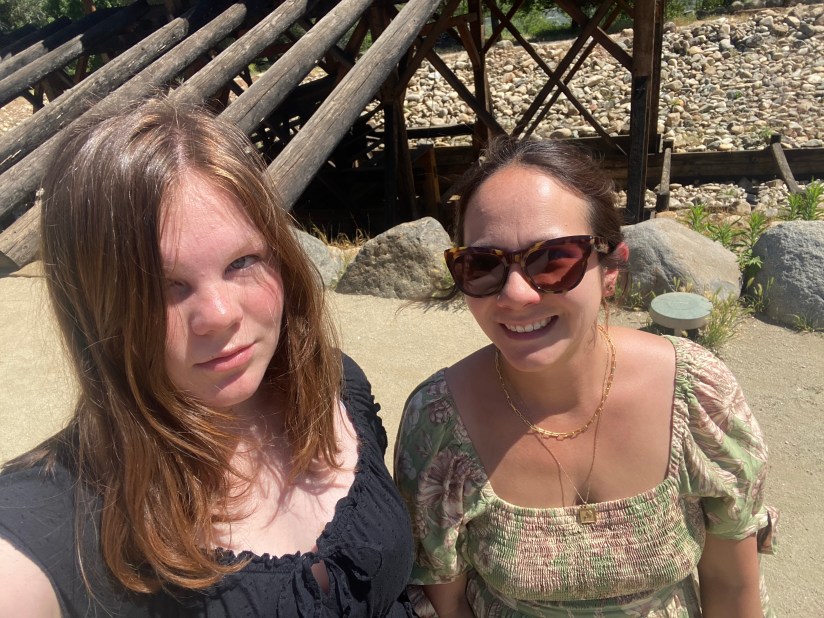
We explored the areas around the mill. One noticeable difference when comparing our visit back in 2018 versus just a week-and-a-half ago was the water level. The water came up to the rock sign along the river. This was significantly higher than in 2018 when I could stand right against the sign without getting my feet wet.
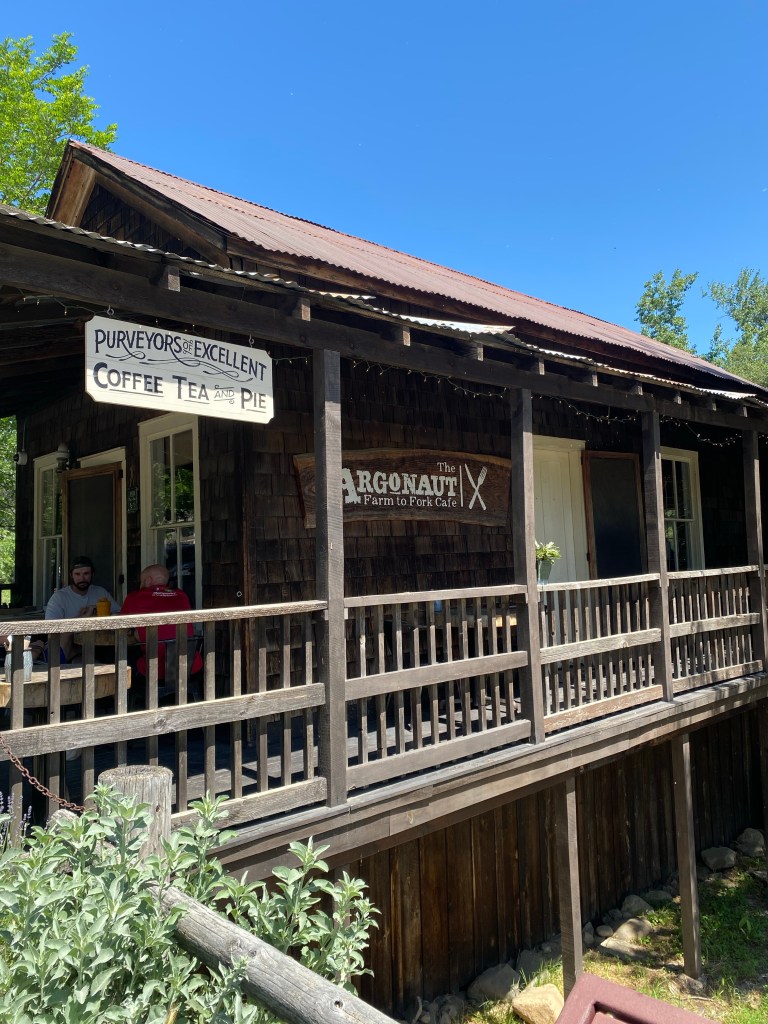
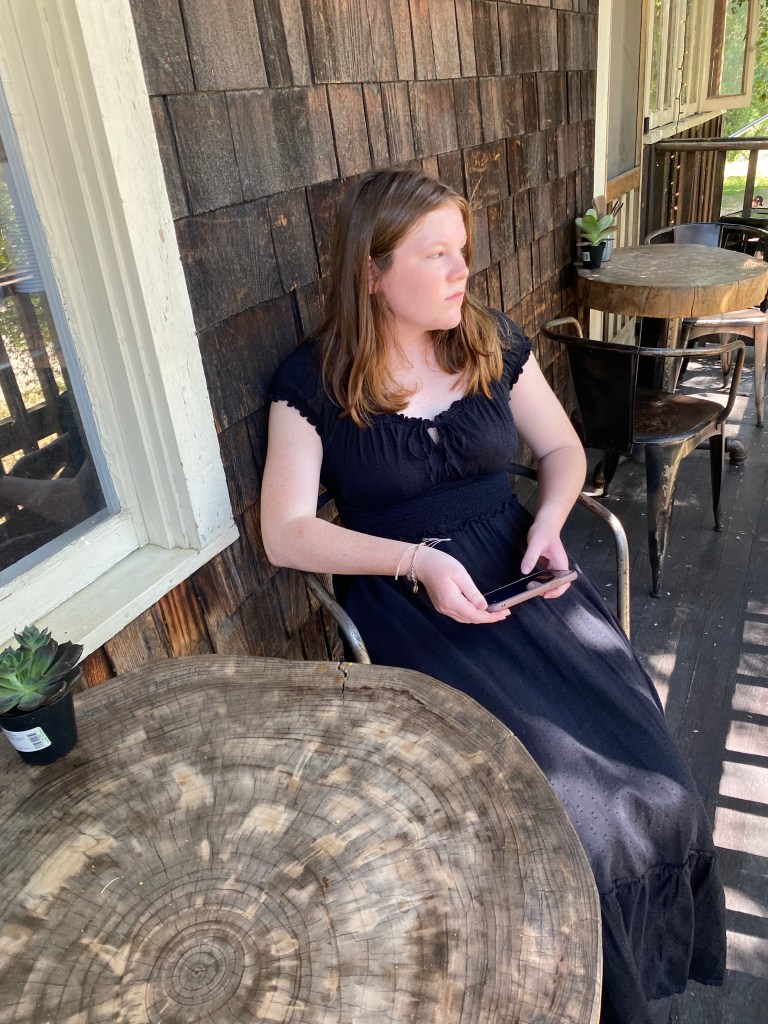
We took photos and looked at the old implements of gold mining. After milling around a bit, we headed to the Argonaut, an organic farm-to-fork cafe at the discovery site. There we indulged in gelato and lavender-rose lattes while passing the time. The iced coffee was refreshing on what was becoming a warm day. Soon enough though, we started the walk back to the campground.
This was a fun side trek on our whitewater adventure. While I probably would not visit the Gold Discovery State Park on its own, while in the area it is a good place to gain a deeper learning of the events that- for better and for worse- propelled California into statehood. And it did provide a diversion while waiting for our whitewater rafters to return from their merit badge activities.
Some things to consider:
The Marshall Gold Discovery Site is part of the California State Parks system. Parking is $10 per car, $9 for seniors at time of writing. If you are camping in the area, you can walk over and skip the fee and save it for souvenirs at the gift shop.
It gets warm in Coloma. While there are trees and buildings, sun protection and water are essential.
Dogs are welcome in the water (when safe) and on trails. They are not allowed inside buildings, however.
While we did spend a good chunk of time at the park, we did not see everything. History buffs might enjoy visiting the old schoolhouse and other structures. There are also gold panning lessons hourly in the mid-morning. Some of the kids on our trip had fun panning for gold, pyrite, and garnets.

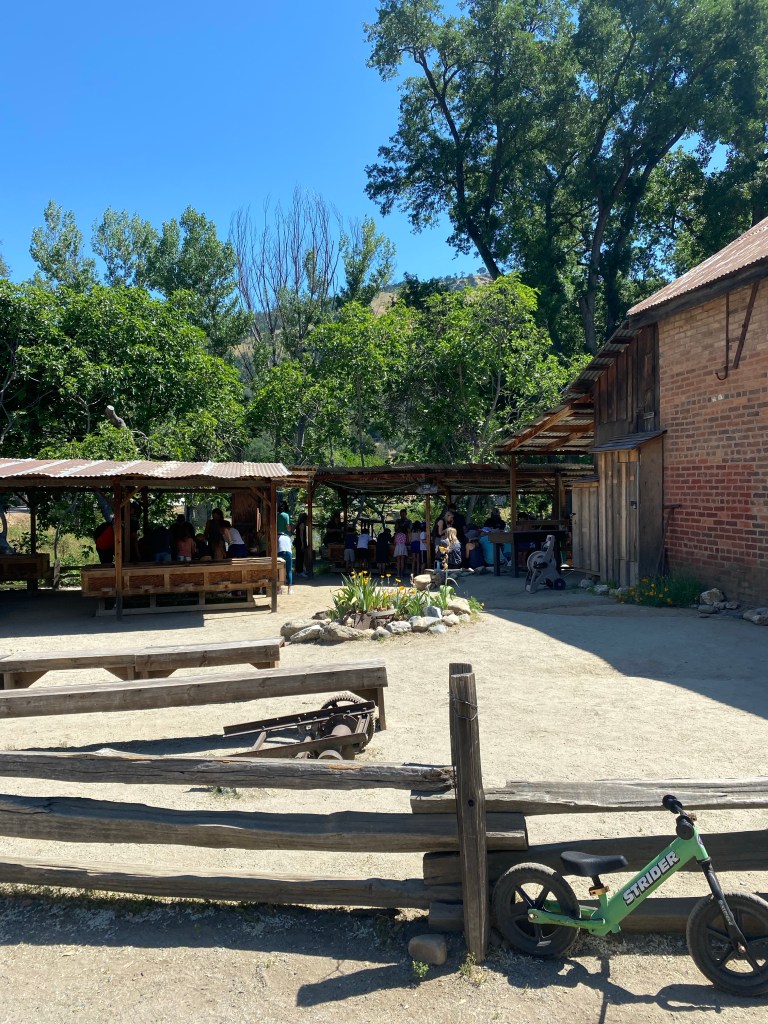
It might sound a bit nerdy, but we enjoyed our visit. As the Haas side of the family has a California Gold Rush connection, it offered Sami the opportunity to learn more about an historic event that did help shape her family tree generations ago. If you find yourself in Coloma, it is worth a visit. Here’s to golden hours.
References:
California State Parks, State of California. “California Admission Day September 9, 1850.” CA State Parks, http://www.parks.ca.gov/?page_id=23856#:~:text=With%20the%20Gold%20Rush%20came,by%20the%20Compromise%20of%201850.
California State Parks, State of California. “Reexamining Our Past at Marshall Gold Discovery State Historic Park.” CA State Parks, http://www.parks.ca.gov/?page_id=30767.

 The Cranky Camper
2 thoughts on “Coloma: California Gold”