
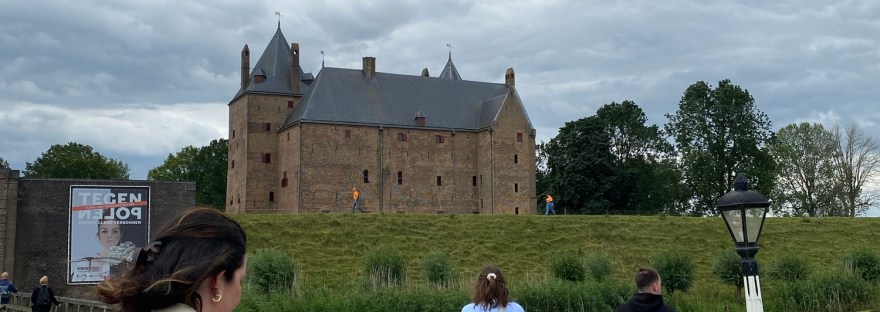

For Sunday Funday in the Netherlands, we visited a place that I’ve not seen on many Amsterdam top ten visitor lists. I would definitely not have thought of this activity on my own, and even if I had, the Google maps directions would have likely discouraged the trip. This is where having some great local tour guides gave us some insight into what could constitute a fun family outing: a trek to a castle.

Slot Loevestein, also known as Loevestein Castle, is a medieval fortress along the Dutch Waterline. It is located in the village of Poederoijen in the province of Gelderland, about 90 km south of Amsterdam. As it was located in a strategic location along water, for centuries, it was a valuable piece of Holland’s defense system. The story of Loevestein began in 1358, when Dirc Loef van Horne built a stone tower at the meeting of the Maas and Waal Rivers. The name ‘Loevestein’ literally translates to ‘Loef’s stone house.’ Throughout the next decade, Loef expanded his original building to become a castle with an outer bailey. Shortly thereafter, the castle passed into the hands of the Count of Holland. The castle was further expanded.
In 1568, the castle would switch hands when the Spaniards captured Loevestein during the Eighty Years’ War. This was a short lived victory, as the castle was taken back by a small group of monks who demanded that it would be transferred to William of Orange. It was reconquered again by Spain in short order, but was once again taken into Dutch hands by 1572. William of Orange, known in history also as William the Silent, lead the revolt that incited in the Eighty Year’s War, which eventually resulted in the formation of the Republic of the Seven United Netherlands. He was also the father of the Orange-Nassau royal house, the current reigning house of the Netherlands. Under his direction, Loevenstein was expanded further and modernized, with three bastions, a semi-bastion, and a roundel.
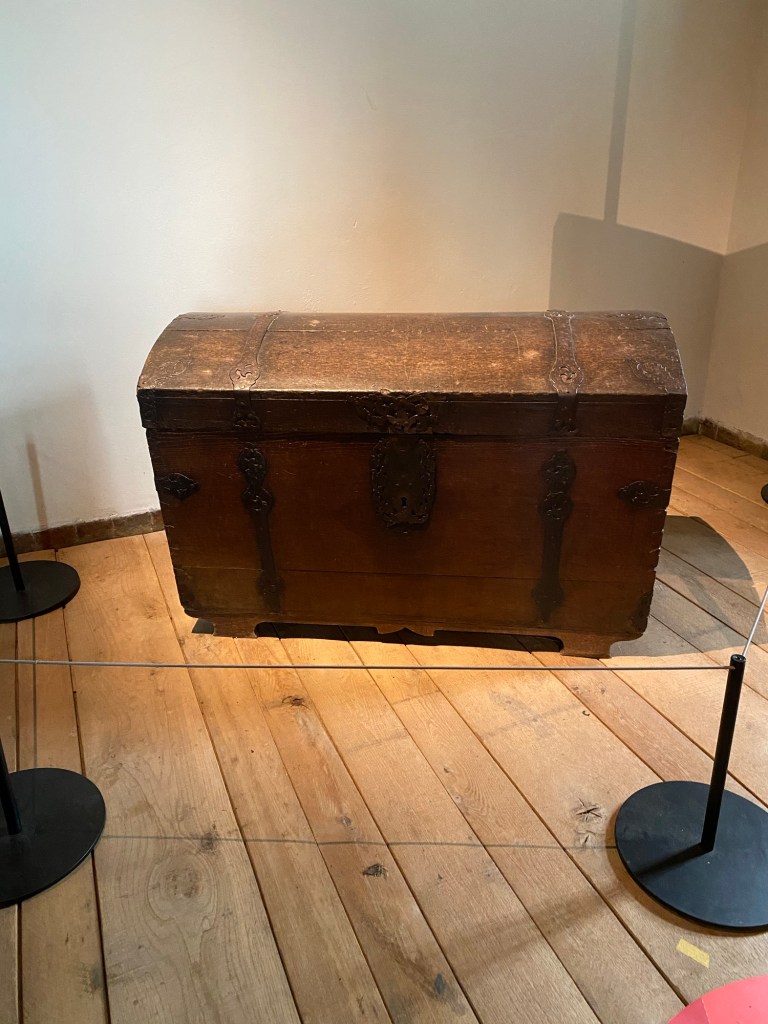
Over the centuries, starting in 1614, the castle was used as a prison. Notable inmates included Sir George Ayscue, a British admiral, and several Dutch mayors and political officials over the 1700s. Perhaps most famously, Hugo de Groot, a Dutch lawyer and theologian, was imprisoned in the castle for his religious sentiments. His wife helped him to escape from the castle, even being imprisoned herself for a time. The chest she snuck him out in is still on display at time of writing.
The castle had military status up through about 1951. In 2021, Slot Loevestein was designated a UNESCO World Heritage site. Today, it is a fun place for an educational day trip for kids and history nerds alike.
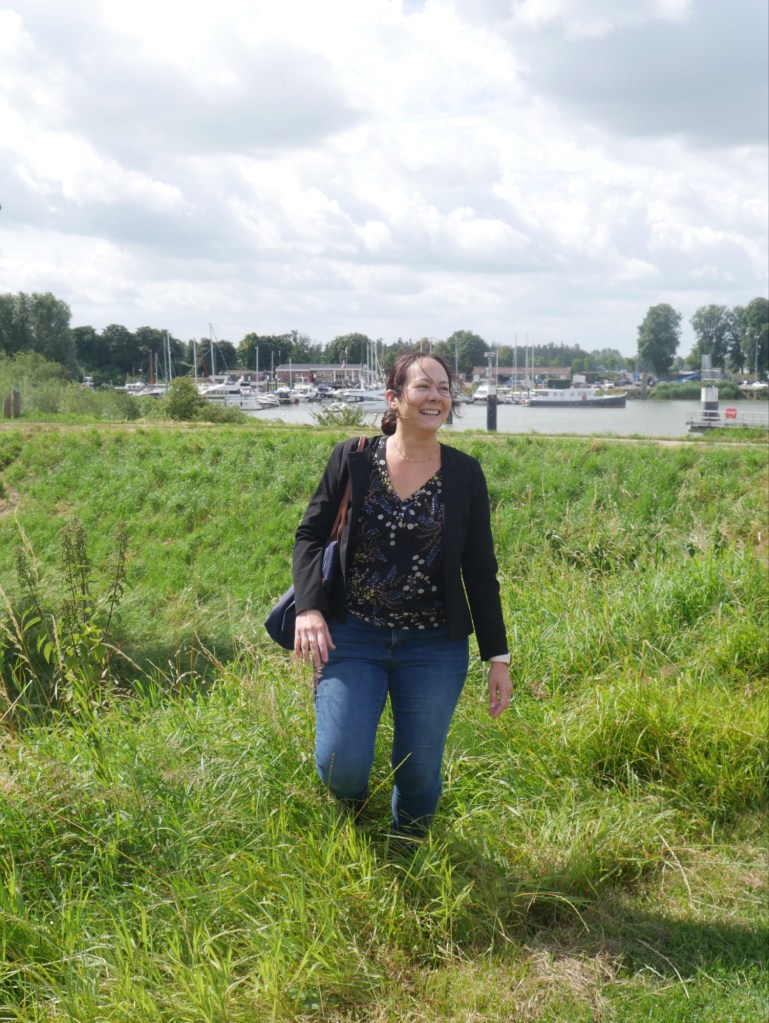
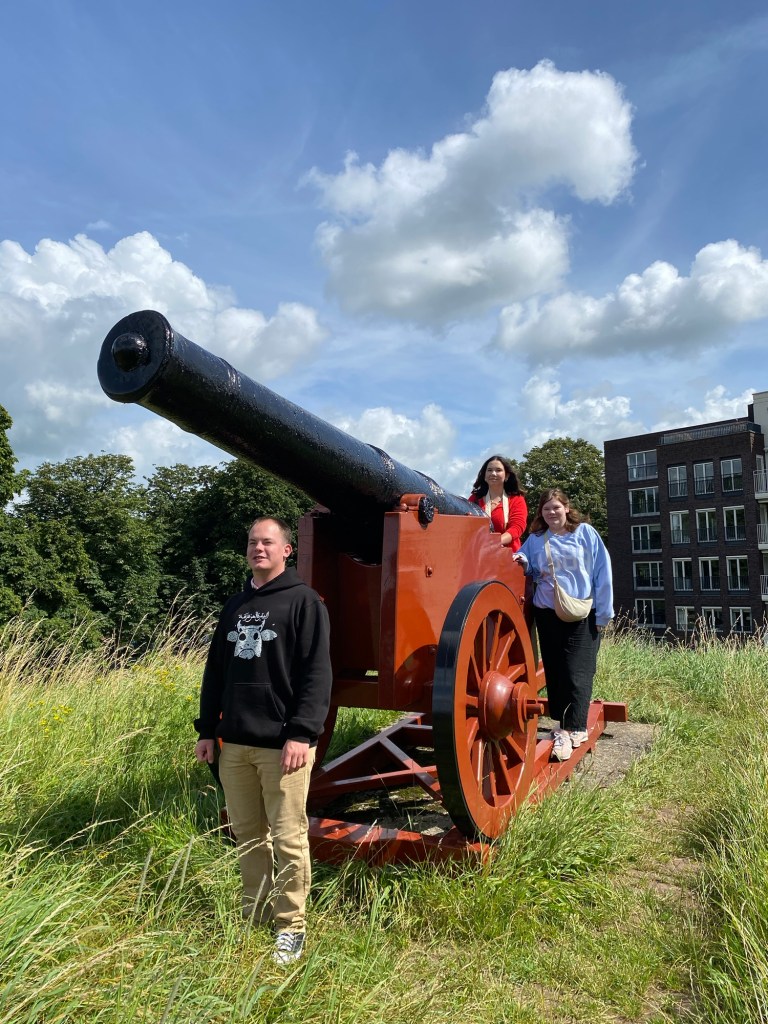
On Mees’ parents’ suggestion, we took the train down to the charming municipality of Gorinchem, about 70 km southeast of The Hague and past Rotterdam and Dordrecht. After getting off the train from Den Haag in Gorinchem, which is located at the confluence of the Maas and Waal Rivers, we walked toward the waterfront, and took a hiking path with some nice views. The kids found an old cannon to play on, and of course, they couldn’t resist making their brother stand in front of it.
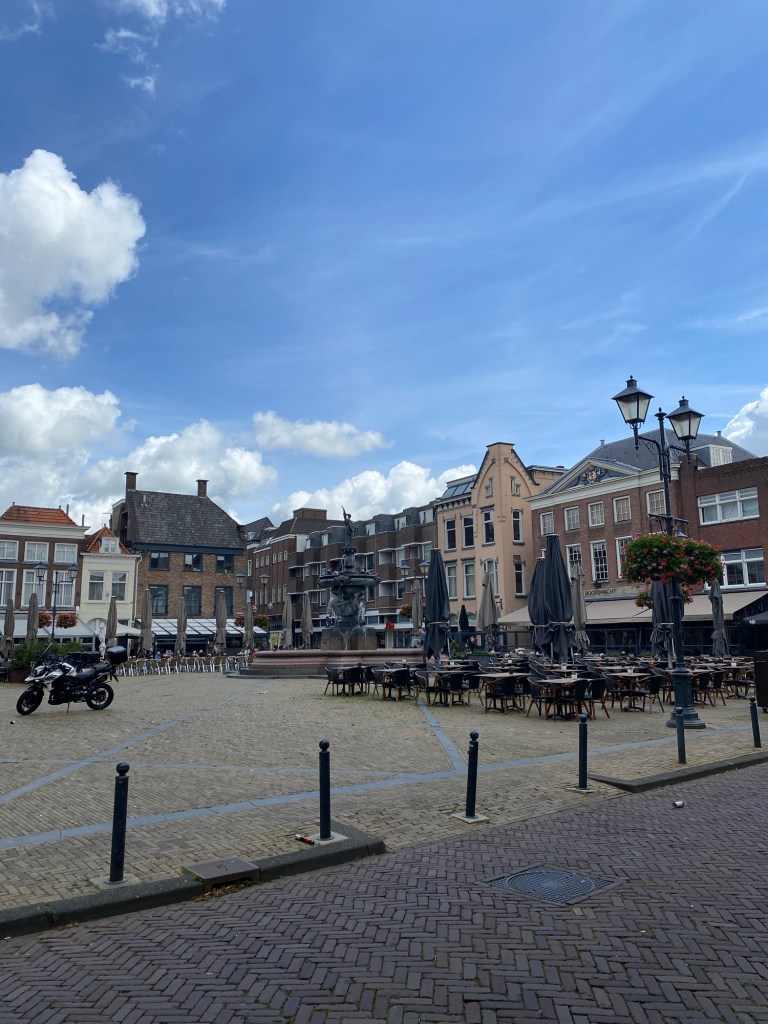
After taking a few photos and frolicking in the tall grass, we hiked on for a bit, then cut down to the city center to find a cute place for brunch with Mees’ parents and the kids before boarding the ferry, which is the recommended route to Loevestein.
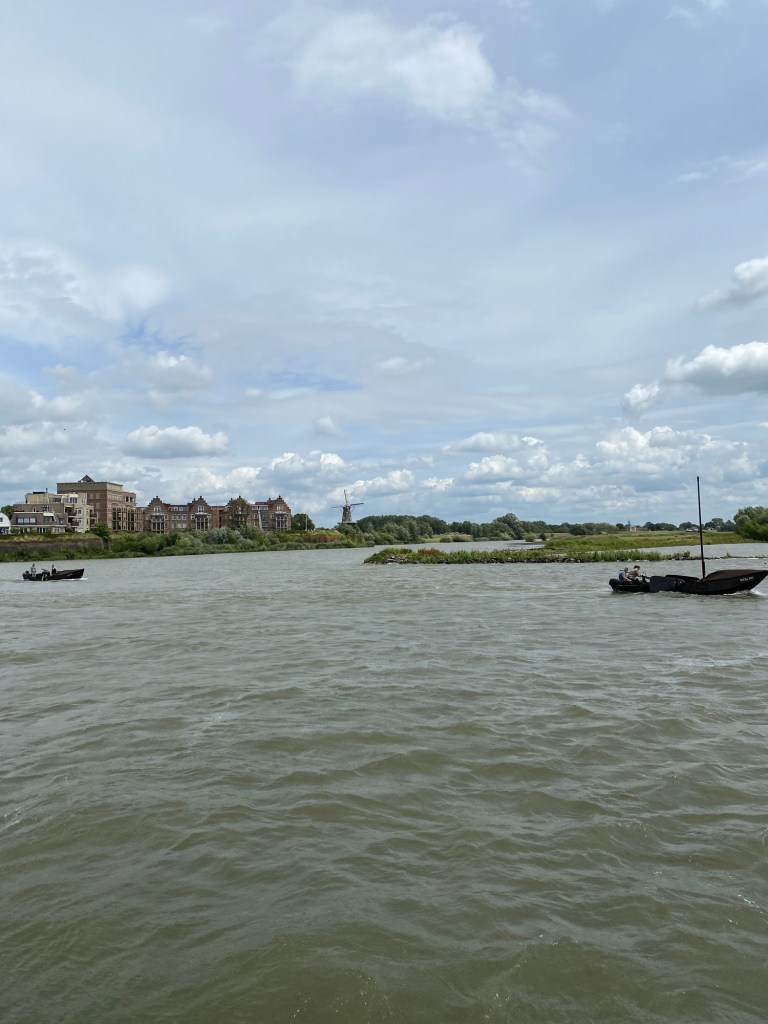
The ferry to the castle was a lovely ride. The weather was cool and afternoon clouds were rolling in. The Riveer ride took us from Gorinchem to Loevestein Castle in under a half-hour. Travel was smooth along the river, and we were able to see some historic boats along the way.
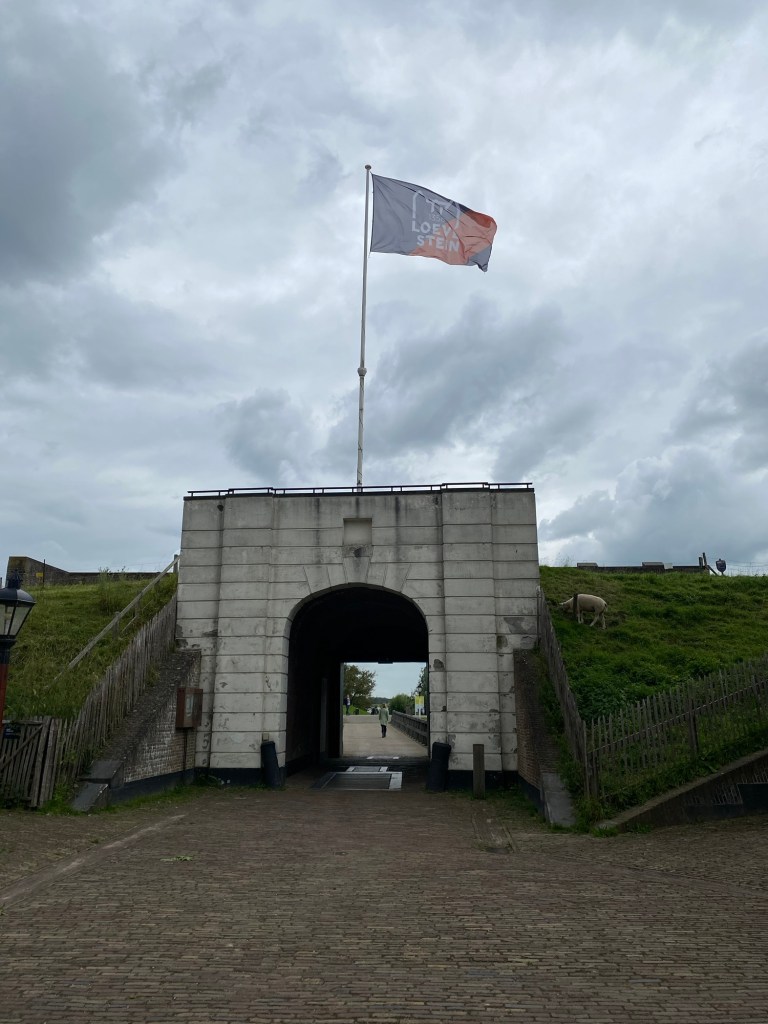
On arriving at the castle, we stopped at the visitor center and gift shop. Mees’ parents had arranged the outing, so with the combipass, admission was easy. We received some maps, and we were off to explore this medieval fortress.
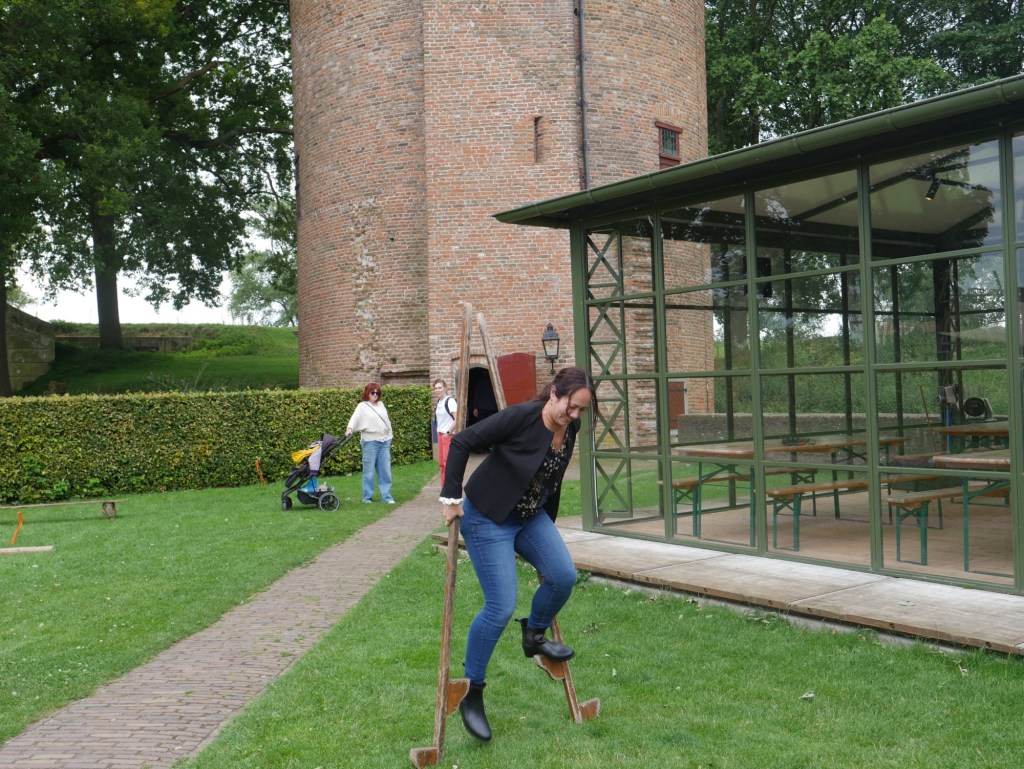
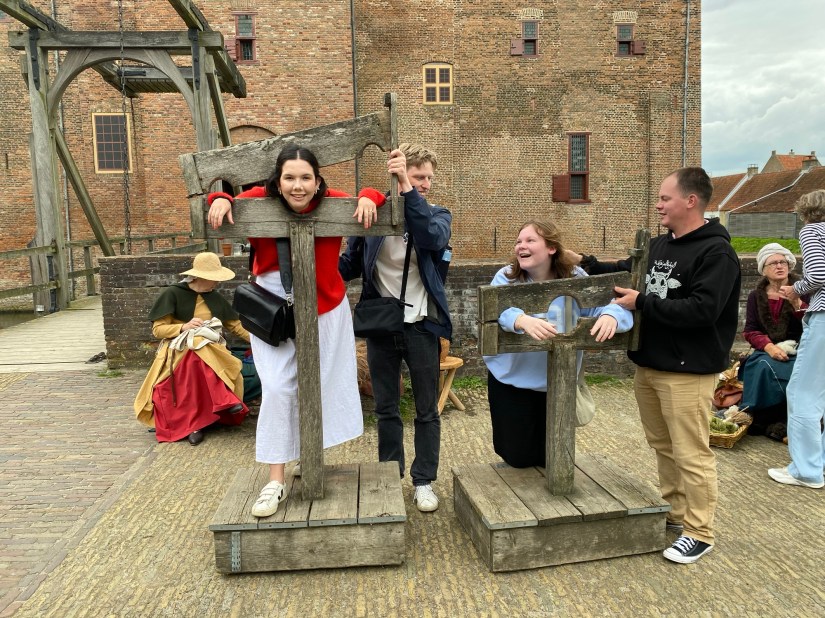
We found that Loevestein is a great place to take kids. There were a number of interactive activities and demonstrations on the greens, including weaving demos, walking on stilts, and games. After watching Mees’ mom effortlessly walk on the low stilts, I figured my clumsy self would have to try. Let’s just say I was less than successful without help.
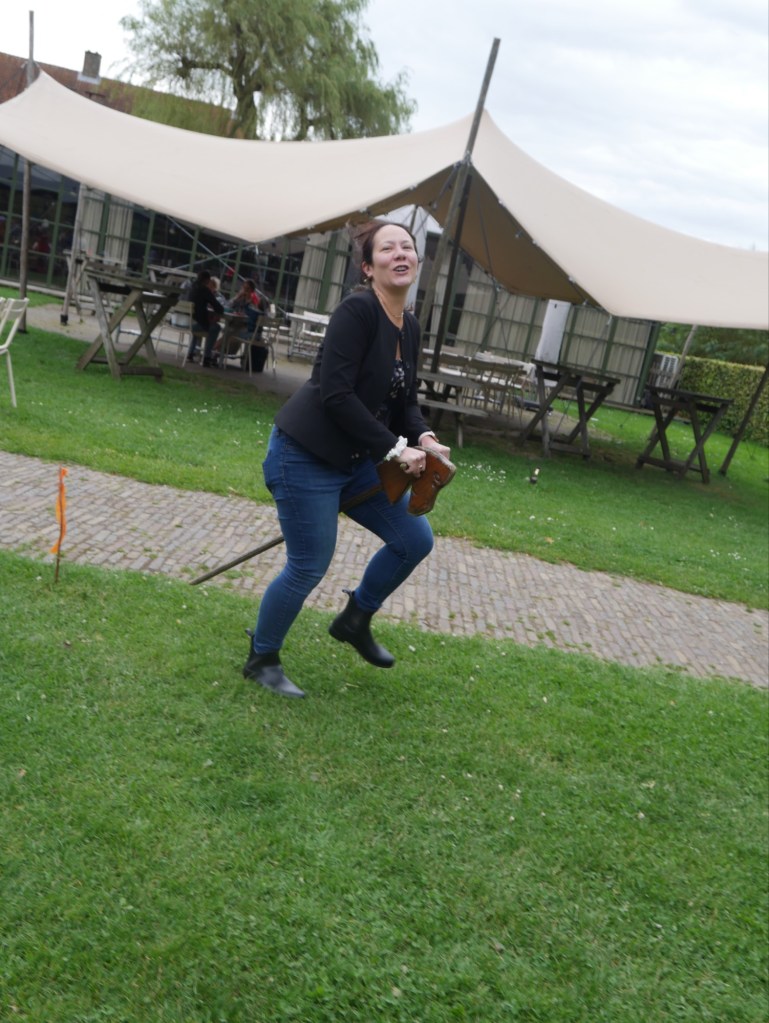
“Are you suggesting coconuts migrate?”
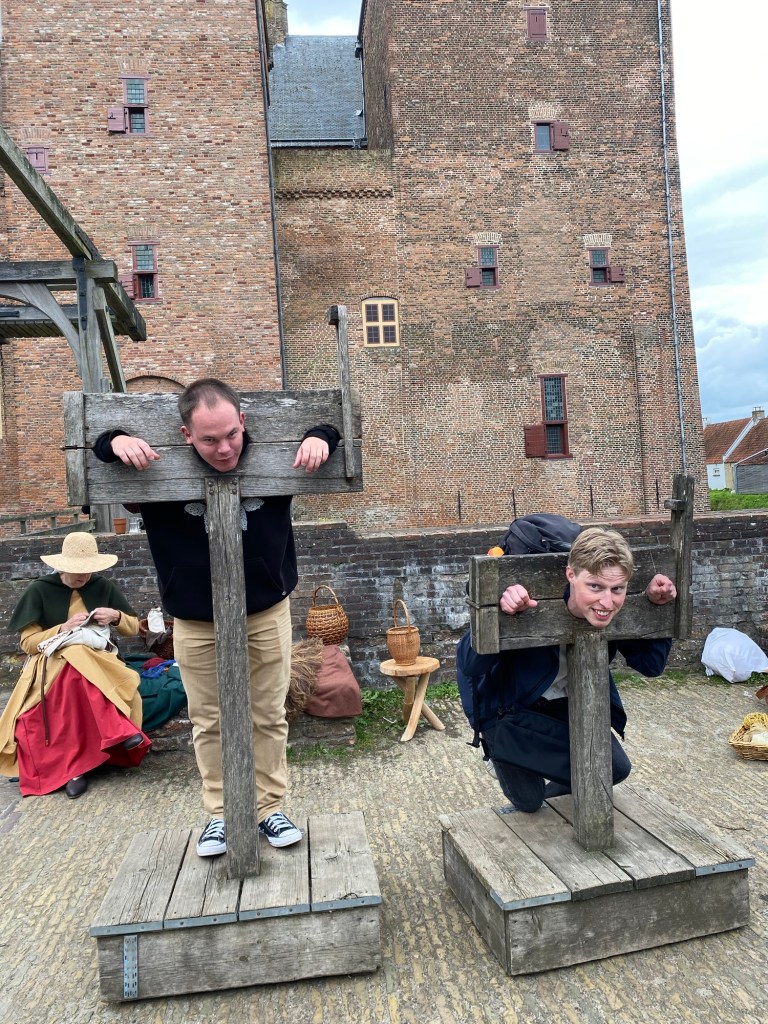

The weather was particularly changeful on our July visit. An afternoon rainstorm saw everyone abandon their outdoor activities to seek some shelter. We headed inside to wait out the showers, where we did word searches in Dutch and ate snacks we bought at Target and Albert Heijn. We were even prevailed upon to learn a medieval dance.
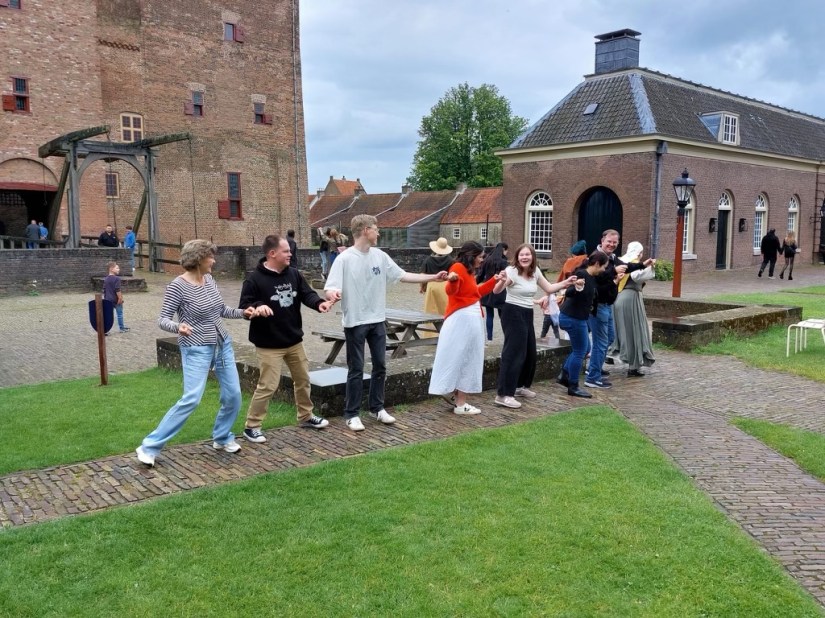
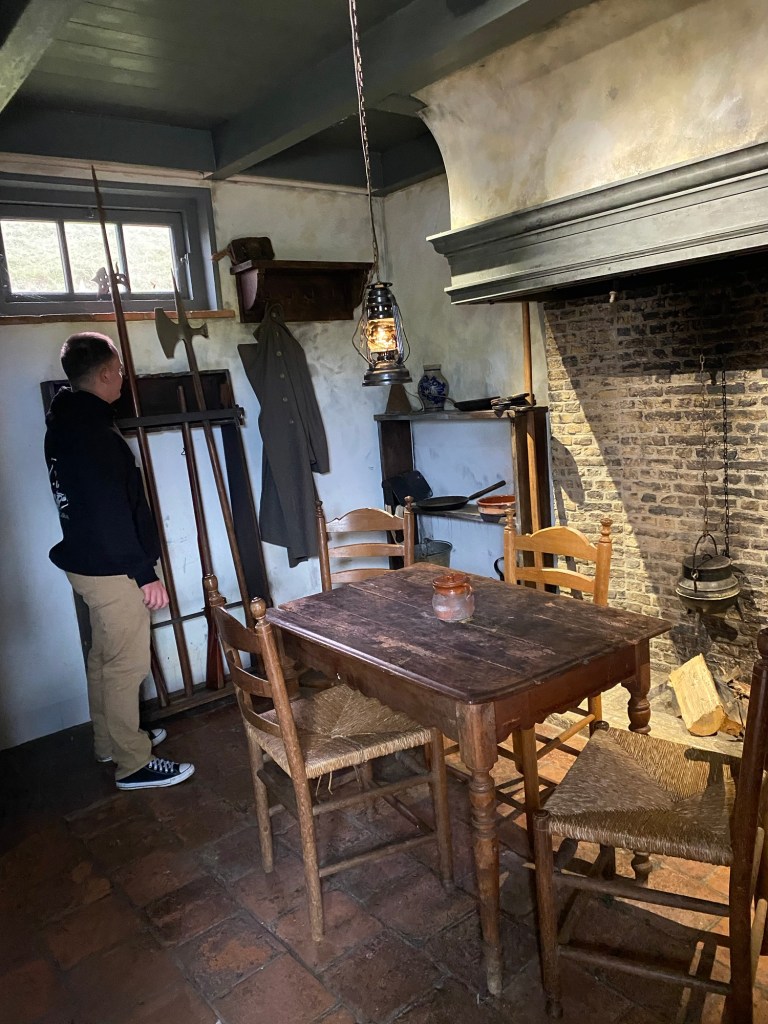
By the time we finished the dance, the rain had let up. We headed over to the interior of the castle to explore. We walked room by room, following the signage for a sort of self-guided tour. The photos below are from the kemenade, or ‘chimney room,’ which would have been the main living quarters; the gunpowder room; and the great hall and kitchen.

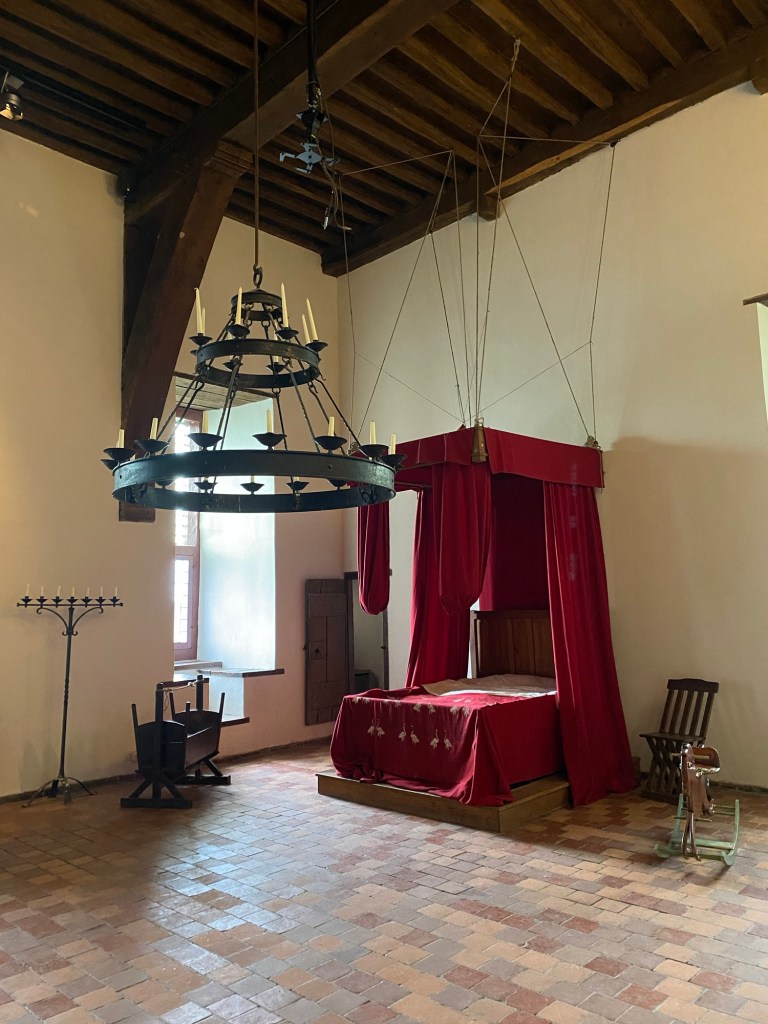
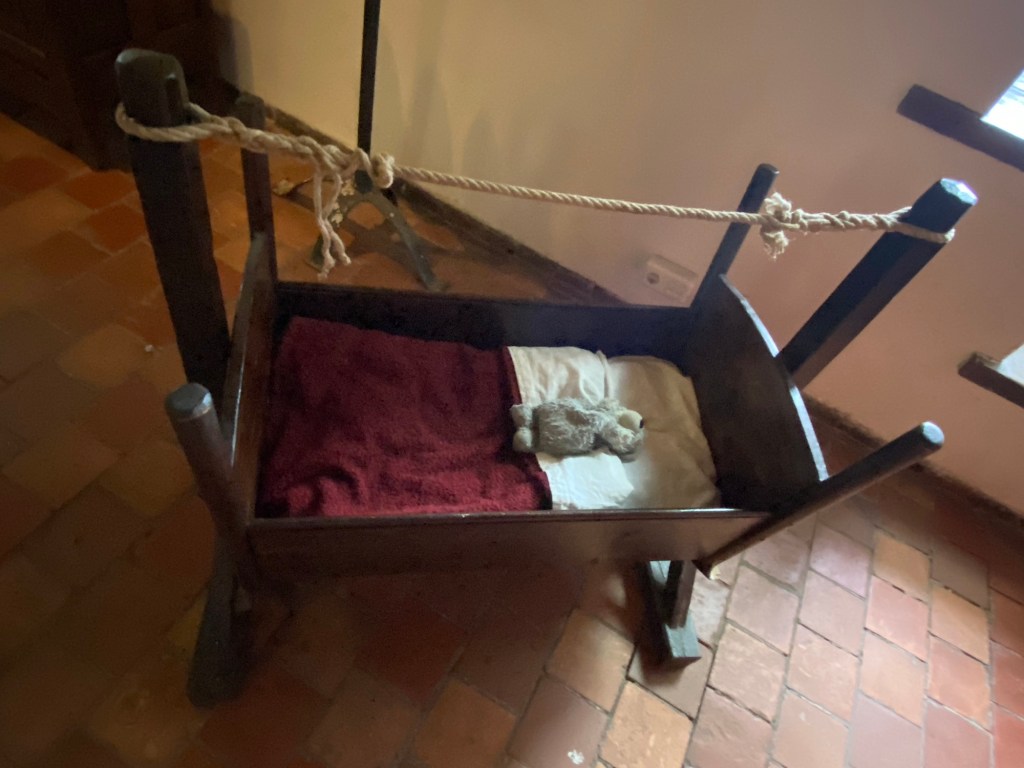
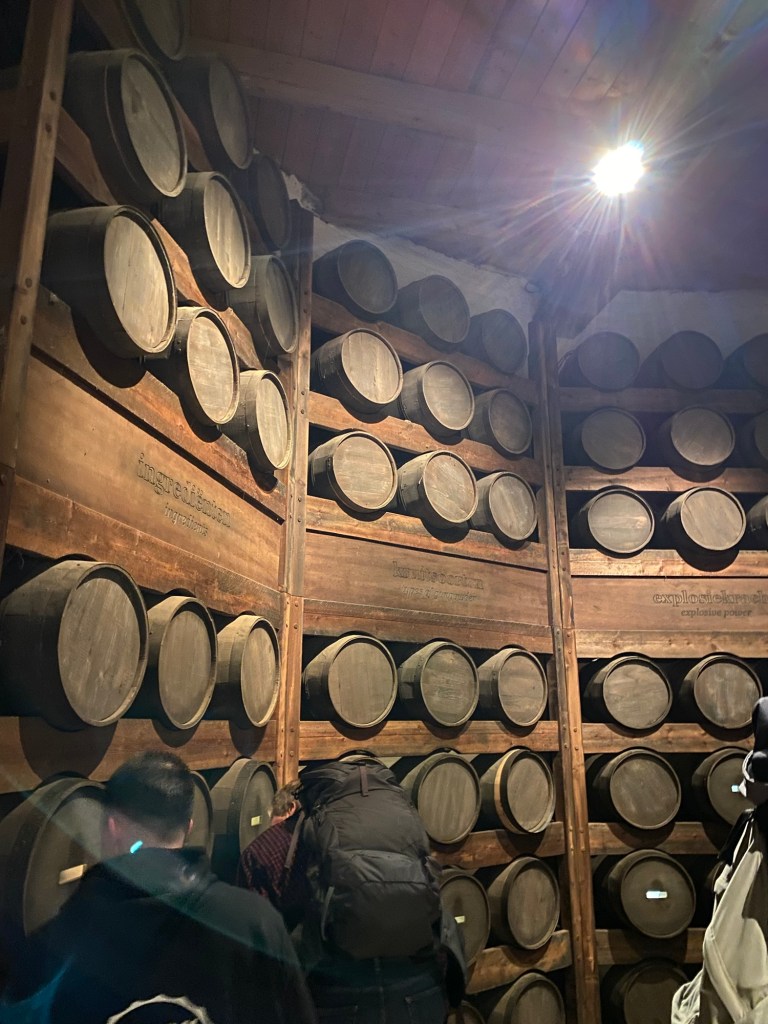
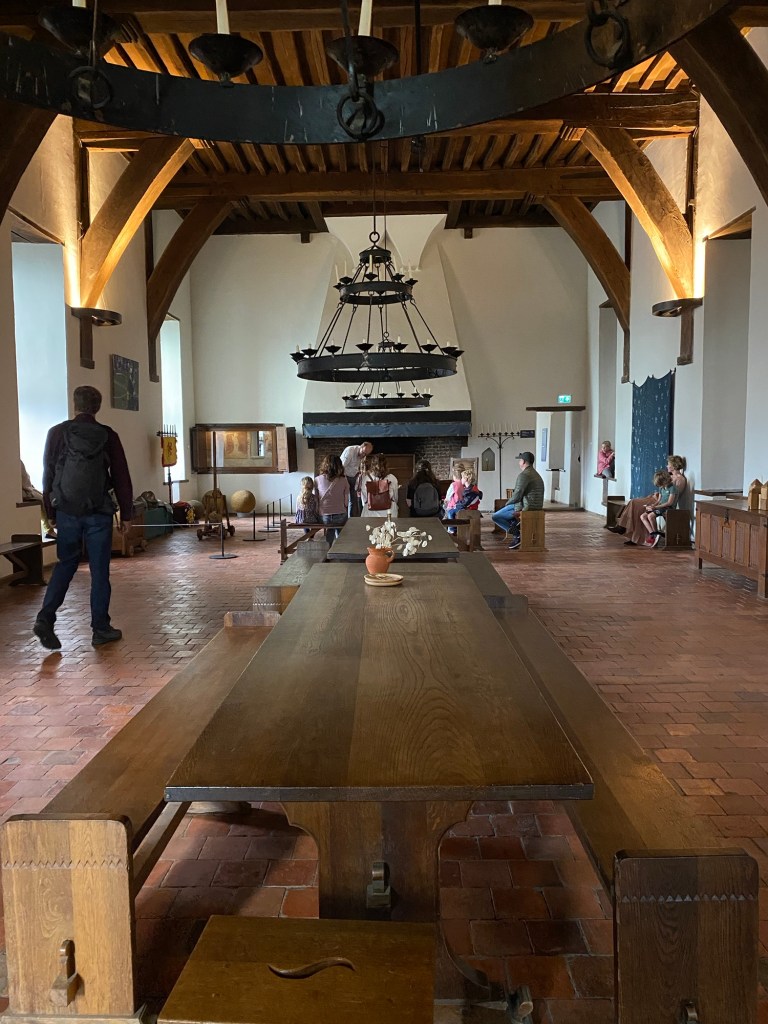
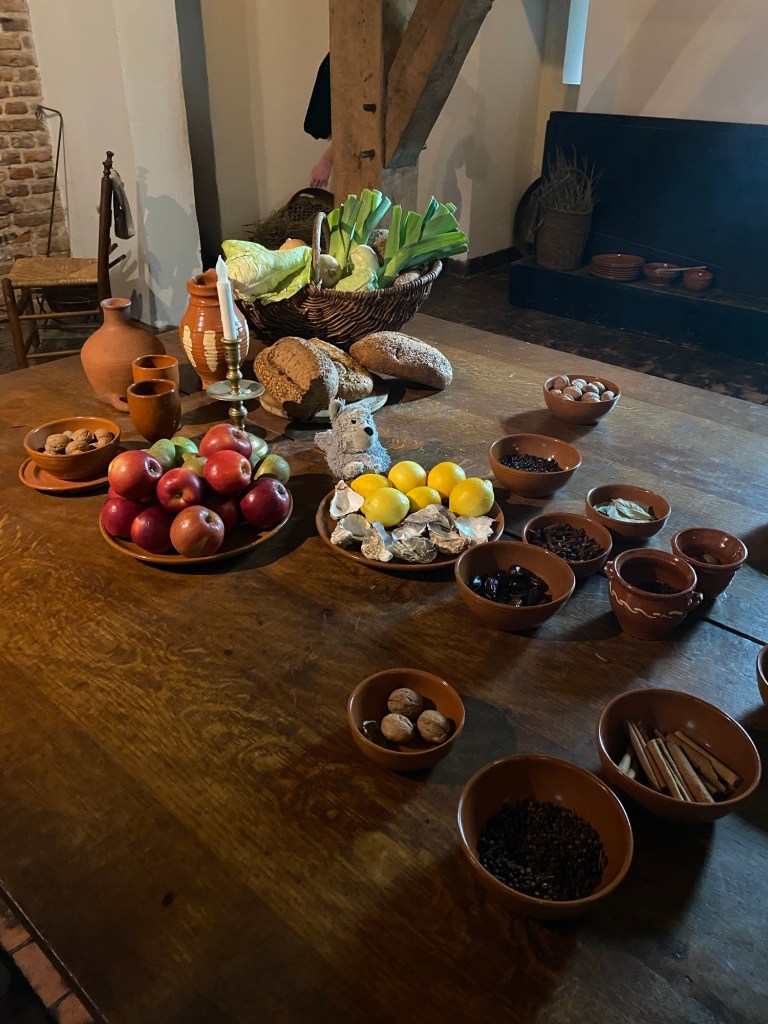
Most of the exhibits were labeled in both English and Dutch. We explored each of the rooms, learning more about the castle’s use as a fortress and its role up through World War II. At time of writing, there is also an interesting temporary exhibit called “Opposites.” It addresses the religious and political fights of the centuries before, and encourages visitors to consider the perspectives of others even when we may be at different ends of a political spectrum. For me, it was a good reminder that this kind of discourse and disagreement- as passionate and even divisive as it may be- is nothing new under the sun, nor is it unique to the United States.
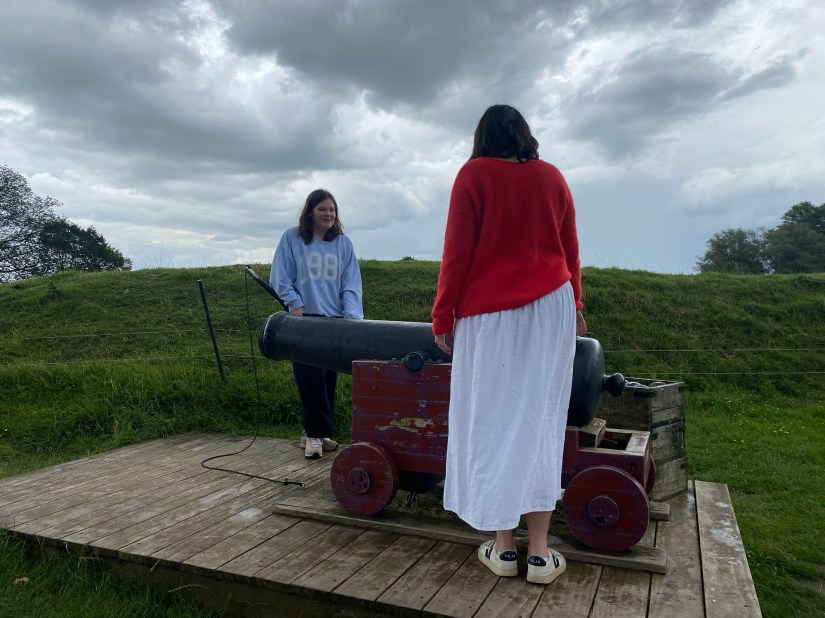
We headed back outside and played with the cannon and musket displays. The clouds once again rolled in, and another segment of the storm was fast upon us. This was our cue to leave. We took the path west to take the boat to the town of Woudrichem.
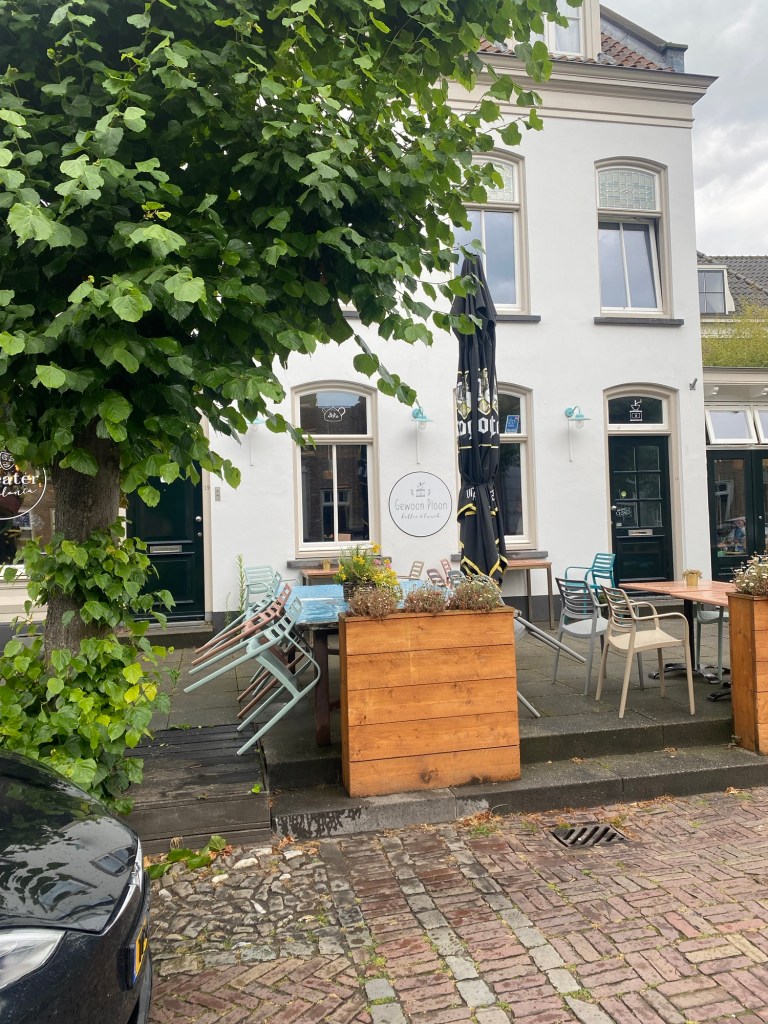
Woudrichem was lovely town, and provided a nice diversion to get out of the pouring rain. Being a rainy Sunday, there were many shops not open, but we did find a coffee shop, Gerwoon Ploon, where we could sit with cappuccinos and chai lattes while drying off. Fortunately, by the time we finished our coffees, the storm had once again subsided, and we were able to take the cute hike through the quiet town and back to the waterline to catch our return ferry.
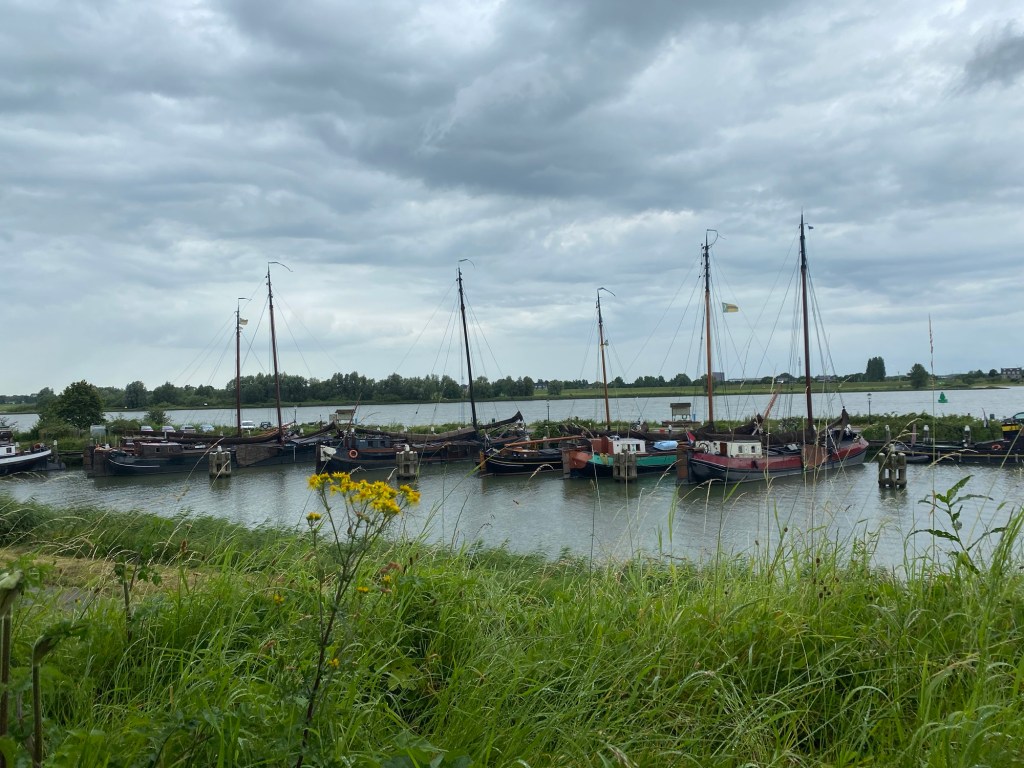

While waiting for the ferry, the kids were once again hungry. There was a food truck selling crispy fries and other food items. Michael and Mees bought fries to share, complete with the most delicious mustard and mayonnaise. We watched the boats on the waterway as we munched, and were surprised to see a container ship floating on the Waal. I learned that the river is an important waterway for transporting goods to and from the Port of Rotterdam.
Soon enough, our transportation arrived. We boarded the ferry back to Gorinchem, re-energized from the snack. The girls sang ‘sailing tunes’, like the classic “My Heart Will Go On” and made up sea shanties. We arrived at Gorinchem with just enough time to hustle to catch our train back to Den Haag. It was certainly a full day- and a fun adventure.
Some things to consider:
During the tourist season, the best way to get to Loevestein is by ferry. The combipass, which includes both admission to the museum and the ferry ride, can be purchased on the Loevestein website. The Riveer ferry sails daily from July 1-August 31, and on weekends in the months of May, June, and September.
If you visit outside of the tourist season, Loevestein is accessible by car. Be sure to check the directions on the Loevestein site, as Google may not always be accurate. It can also be accessed from Woudrichem via the foot ferry.
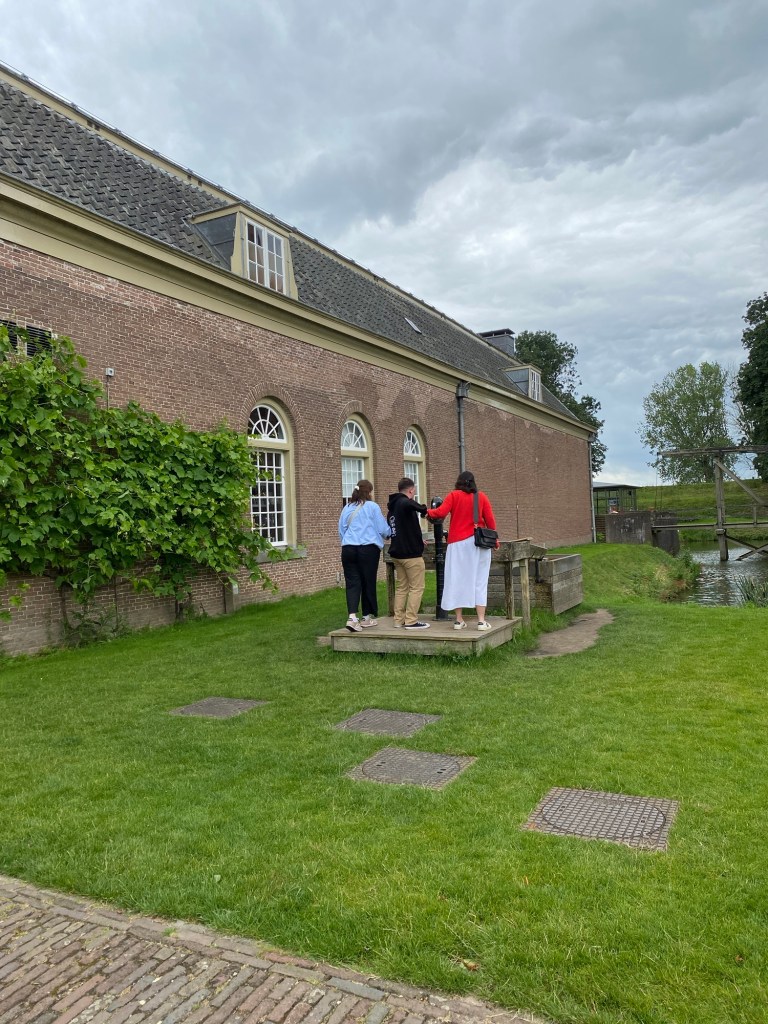
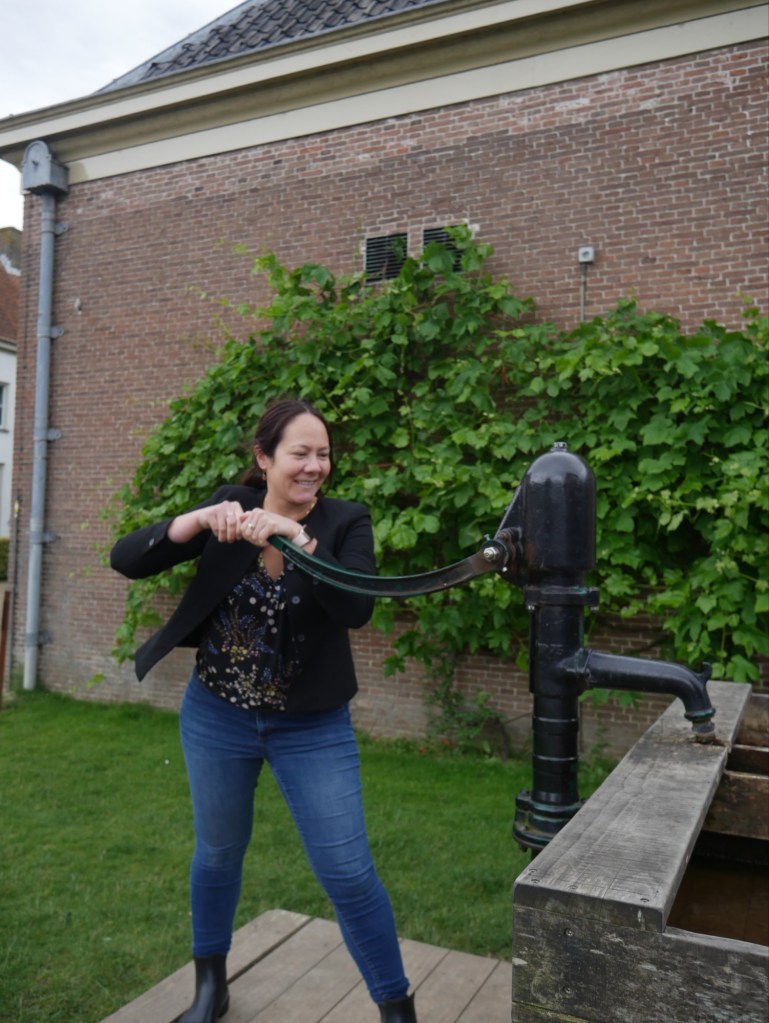
This is a great outing for kids and families. There were a number of families enjoying the day at the castle, even with the weather being bad. The experience was interactive as well as informative.
If you’re traveling with a large group, group tours can be requested on the website.
We knew the weather would be changeful on the day of out visit. It went from cool to warm to drizzly to downpouring in a matter of a couple hours. I layered and brought umbrellas to protect against the rain. We still ended up getting a bit soaked thanks to the wind.
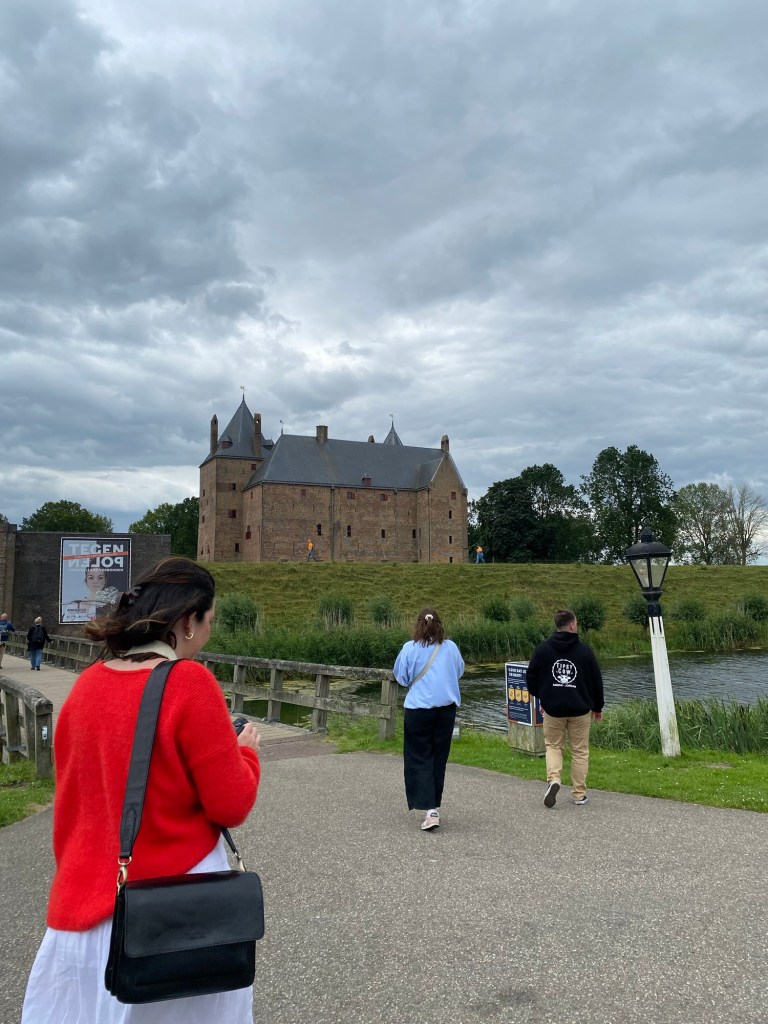
A visit to Slot Loevestein was definitely a fun activity. I would put it on a top ten list if you love exploring old castles and are staying in the vicinities of Amsterdam, Den Haag, or Rotterdam. Gorinchem and Woudrichem are also lovely places to visit, even in passing, and there is so much more to explore. It was a wonderful opportunity to visit with Emily’s new family and learn more about the history of the Netherlands. As for the kids, who were having a competition to see who might learn the least, I’d say it was a draw. The trip was too educational! Proost!
For more information, check out the Slot Loevestein website.
References:
* Much of the early historic information about the castle came from the signage on the exhibits themselves.
Castles.Nl – Loevestein Castle, http://www.castles.nl/loevestein-castle. Accessed 1 Aug. 2024.
“Loevestein Castle in Holland – Gelderland.” Loevestein Castle in Holland – Gelderland, castellinelmondo.altervista.org/en/castle/holland/gelderland/loevestein-castle/. Accessed 1 Aug. 2024.
“Sir George Ayscue (Askew).” Westminster Abbey, http://www.westminster-abbey.org/abbey-commemorations/commemorations/sir-george-ayscue-askew/. Accessed 1 Aug. 2024.


 The Cranky Camper