


About 60 miles from the Nevada border, sand dunes rise 600 feet over the desert landscape. Thanks to the accumulation of sand over the course of millennia, formed by sediment deposits of quartz and feldspar from the ancient Mojave River, Kelso Dunes forms a popular recreation spot in the Mojave National Preserve.
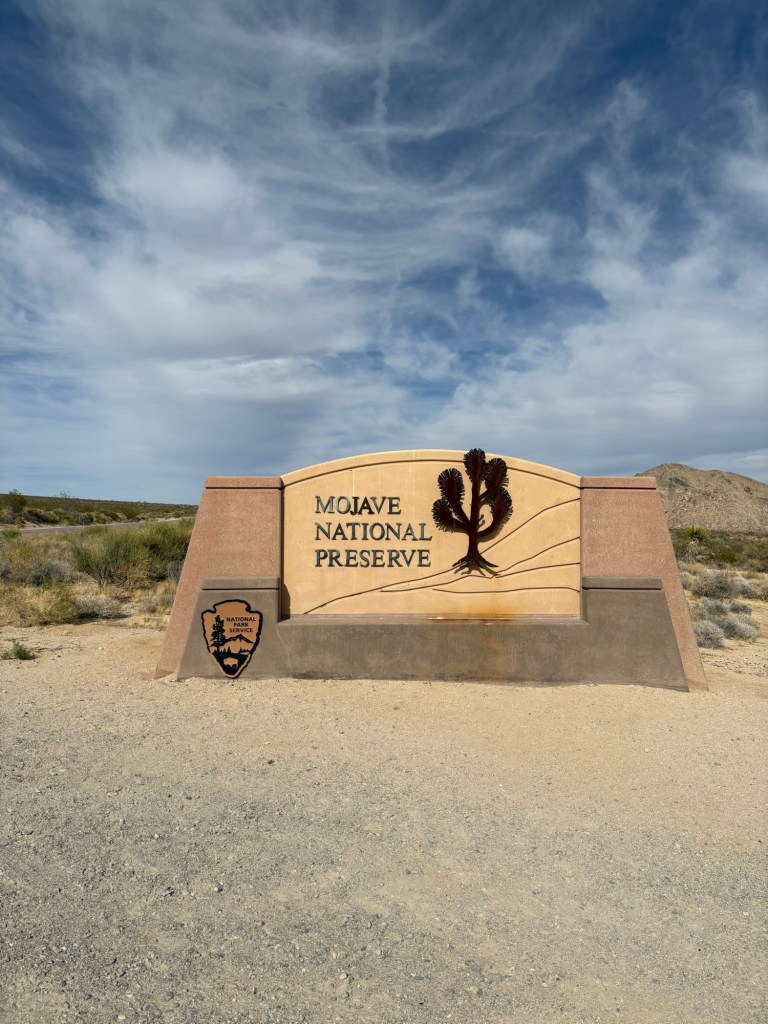
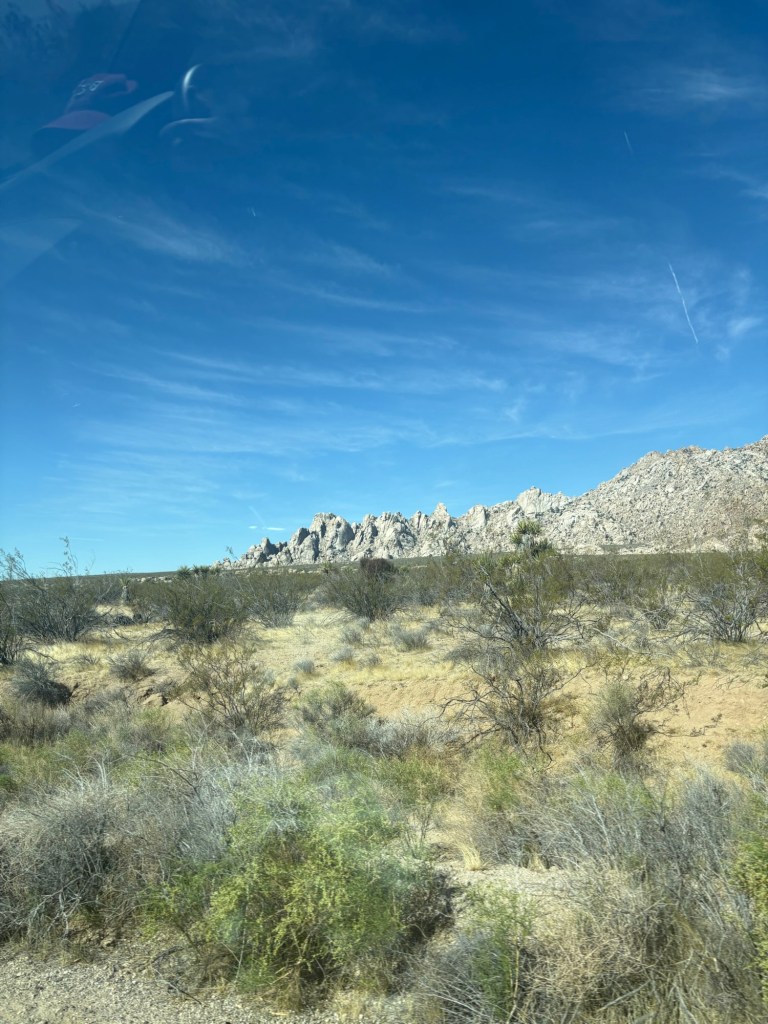
The Mojave National Preserve encompasses over 1.6 million acres of California desert, protecting much of the Mojave, as well as the transitional zones between it and the Sonoran and Great Basin Deserts. With elevations between about 1000 and nearly 8000 feet at its highest point, the Mojave is considered high desert, and it supports a variety of plant habitats. Famously, the Joshua tree is endemic to these parts, as are cholla cactus and creosote. This transition into the high desert can be seen exiting I-40 onto Kelbaker Road, as the population of Joshua trees and other desert plants increase and jumbo rock formations like those in Joshua Tree National Park come into view.
We headed out to Kelso Dunes during the second weekend in April. The weather was beginning to warm up, however it was not yet too hot- only about low 90s with dry desert air. We camped at the Kelso Dunes undeveloped campground, about four miles down the bumpy Kelso Dunes Road and about three-quarters of a mile from the trailhead. We arrived late in the afternoon and set up camp. Then we had dinner and waited for the sun to set and the temperatures to cool.
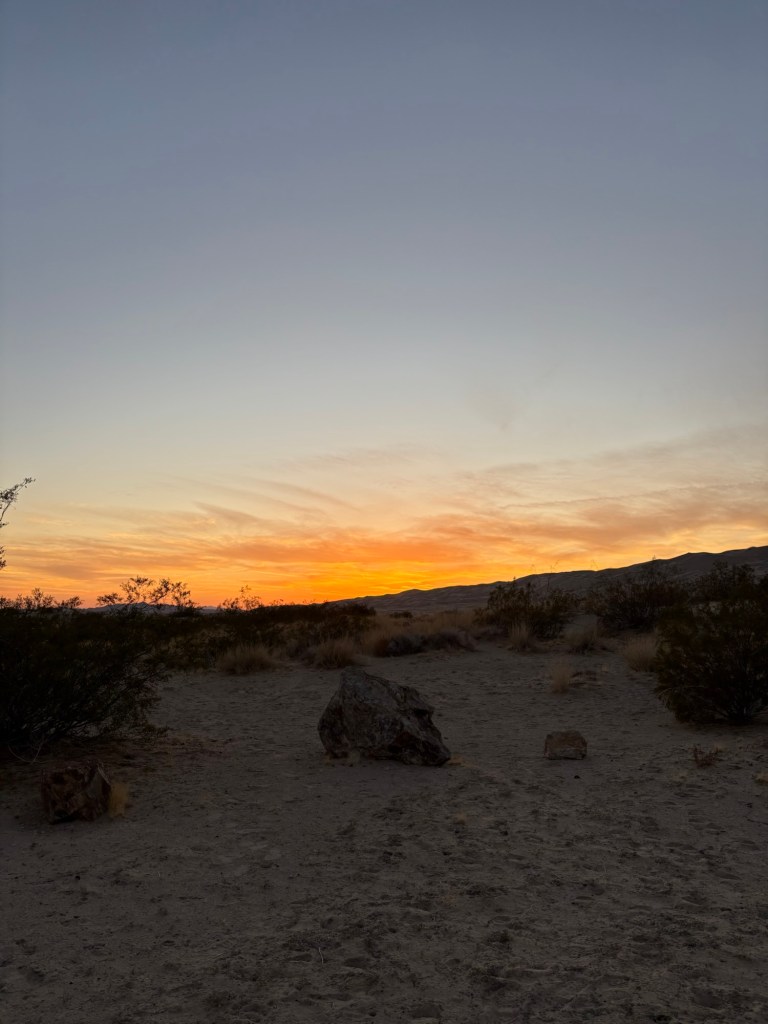
After sunset, we began our hike up the sand dunes. By now the air had cooled enough so that the strenuous hike up the sandy peaks would not pose a risk of heat exhaustion. The full moon was also beginning to rise, giving light to our trek.

The trek was indeed arduous. We only went about a mile-and-a-half, but the 600 feet or so of elevation, in addition to sliding and sinking in the sand as we climbed made the experience that much more laborious. Nevertheless, we huffed and puffed and made it to the top of the peak. While the dunes themselves change according to wind patterns, the dune field is, for the most part, stable.
We sat at the top of the highest dune for a while, watching the stars and having a late-night snack. After hanging out for a while, we began the trek down. Actually, there wasn’t much trekking; we decided to slide down. So I scooted down the front of the sand dune several hundred feet, filling my hiking boots with sand, and laughing all the way. The other cool aspect of this slide was that Kelso Dunes is just one of seven dune fields that has what is known as ‘singing sand.’ This booming sound is produced when very smooth, silica-rich sand of just the right size moves and collides with itself. The result: a low, kind of groaning sound that vibrated through my body as I slid down the hill, creating a mini avalanche of sand. It was a lot of fun, though I ended up with sand all over my clothing. Needless to say, it was much faster heading down than it was to hike up. And the light of the moon guided us back to our campsite.
Some things to consider:
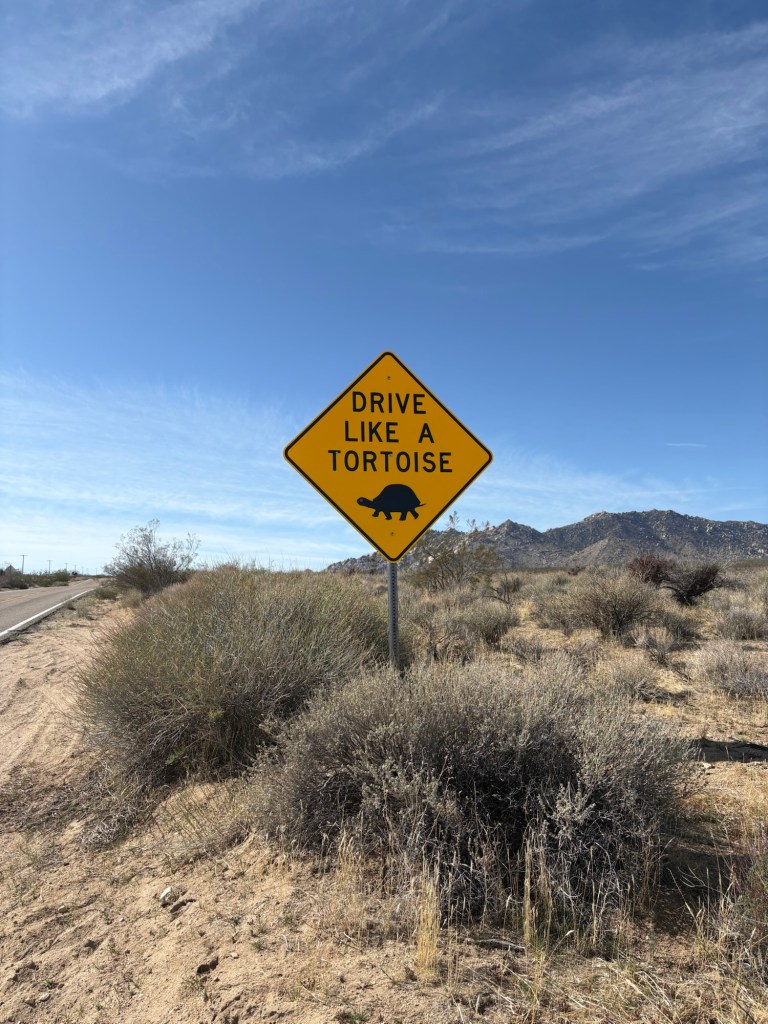
The Mojave National Preserve is managed by the National Park Service and was established in 1994 to protect the various ecosystems of the Mojave Desert and its plants and animals, as well as its history. One of the protected animals is the desert tortoise, currently listed as threatened according to the Endangered Species Act. While habitat loss is perhaps the greatest threat, another danger for desert tortoises is human activity, especially vehicle strikes. As they look kind of like rocks, they can be easy to miss on the road. This cheeky sign is a good reminder to ‘drive like a tortoise’ and obey posted speed limits.
While strikingly beautiful, the desert environs can be unforgiving. The weather can be extreme, with high temperatures especially in the late spring and summer, and cold nights in the winter. The National Park Service does not recommend hiking during the summer, as the dunes can get over 120 degrees Fahrenheit.
Even on a not-so-hot day, water and sun protection are important. The dunes are completely exposed, and even at night, it can be easy to get dehydrated with a strenuous hike up sand.
Cell service within the preserve is spotty. This is wonderful for intentional getting lost, as in disconnecting from stress and endless email for family time and self-care. However, this can make it more difficult to get help if an emergency were to arise or a member of your party did indeed actually get lost. I was able to get a signal in some spots near my campsite, but the phone switched to SOS mode in others.
There are several undeveloped campgrounds in the national preserve, as well as three developed campgrounds. We stayed at an undeveloped site that had a vault toilet and fire rings, but no water. Be sure to bring enough water for all your needs. For more information, check out nps.gov.
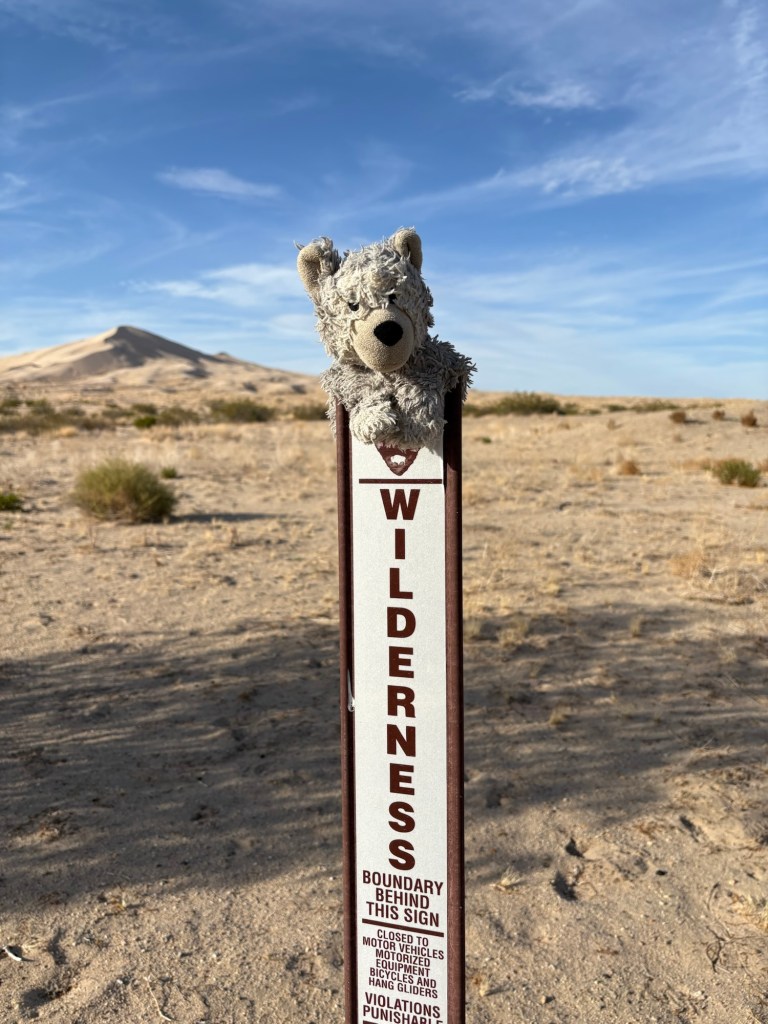
This trip was definitely a fun one. There is so much to explore in over 1.6 million acres of rugged desert wilderness. Happy trails!
References:
“Kelso Dunes.” National Parks Service, U.S. Department of the Interior, http://www.nps.gov/moja/kelso-dunes.htm. Accessed 24 Apr. 2025.

 The Cranky Camper