
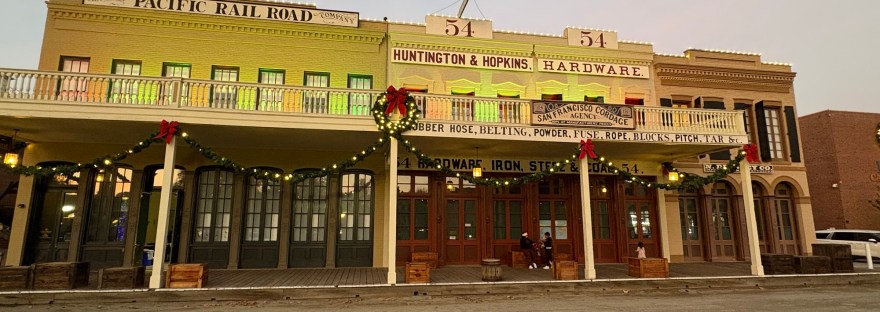

After two days of sessions related to education law and artificial intelligence, my colleagues and I took an opportunity to spend some time together exploring Old Sacramento. The December Thursday had stayed rather chilly, so I ran up to my room to change from thin slacks to more substantial clothing to ward off against the cold before meeting the Uber to take us from our hotel across from the Capitol to the Old Sacramento waterfront.
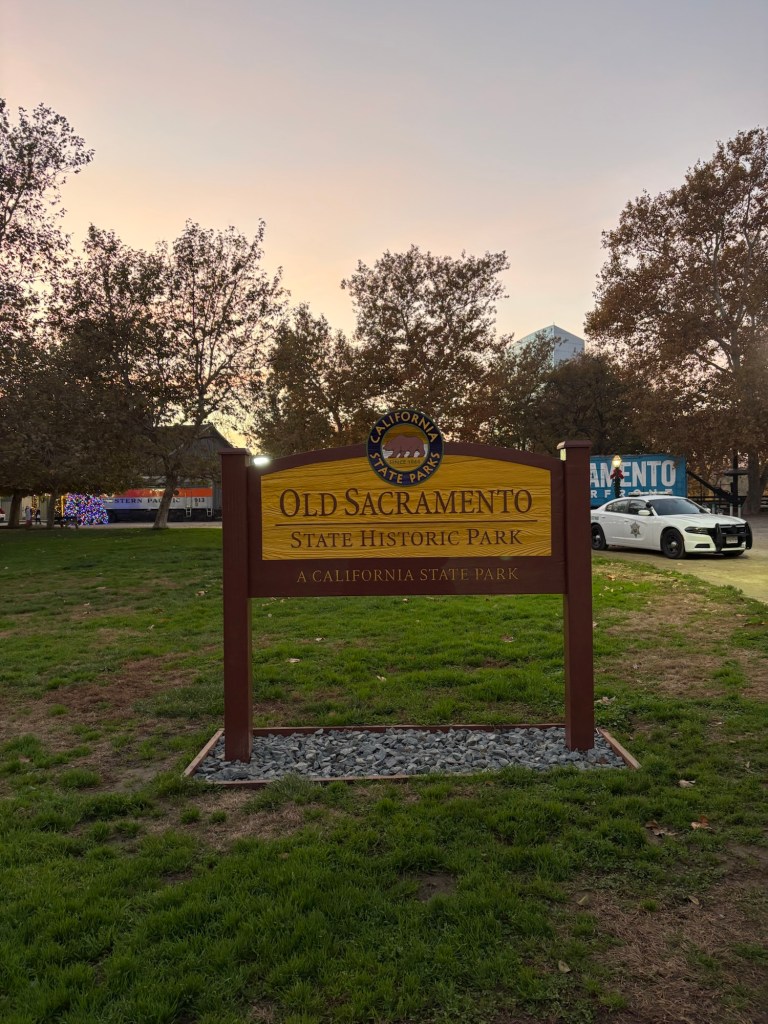
Old Sacramento is an historic waterfront district encompassing 28 acres along the Sacramento River. As the population grew as a result of the California Gold Rush, what would become the city of Sacramento developed along the waterfront. Being right along the river, the area was primed for economic development, however, on the flip side, it was very prone to flooding. After the Great Conflagration of 1852 destroyed eighty percent of the structures in the city, along with subsequent repeat floods, the streets were raised in the 1860s and the city was rebuilt. The economic center moved east and away from the water, which lead to a protracted period where Old Sacramento fell into disrepair, and was nearly razed to make way for Interstate 5. Thanks to the efforts of the Sacramento Historic Landmarks Commission, preservationists, the National Park Service, and concerned citizens, the area was preserved.
Today, Old Sacramento is a registered National Historic Landmark. There are a number of old buildings and cute shops to explore, as well as many dining options. But our main stop in Old Sac, as it is affectionately abbreviated, was the famed California State Railroad Museum.
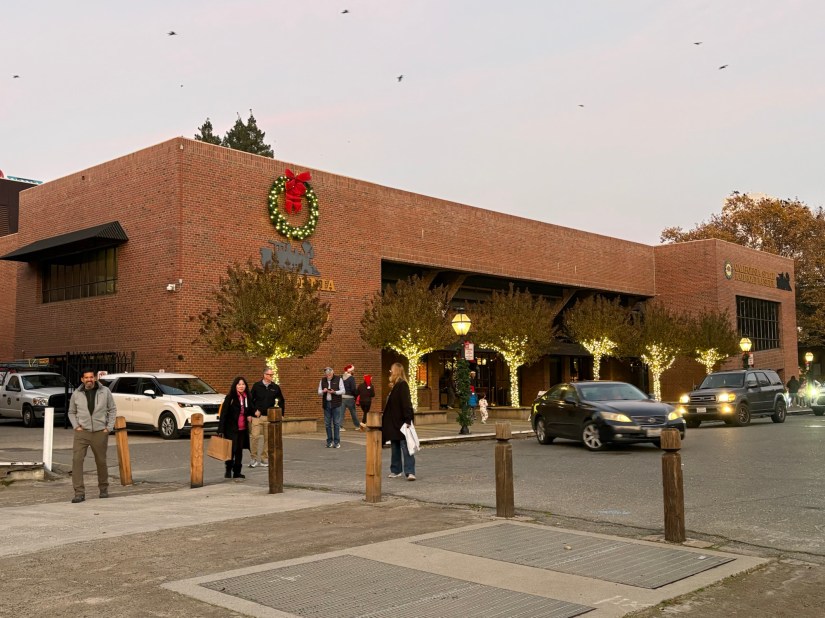
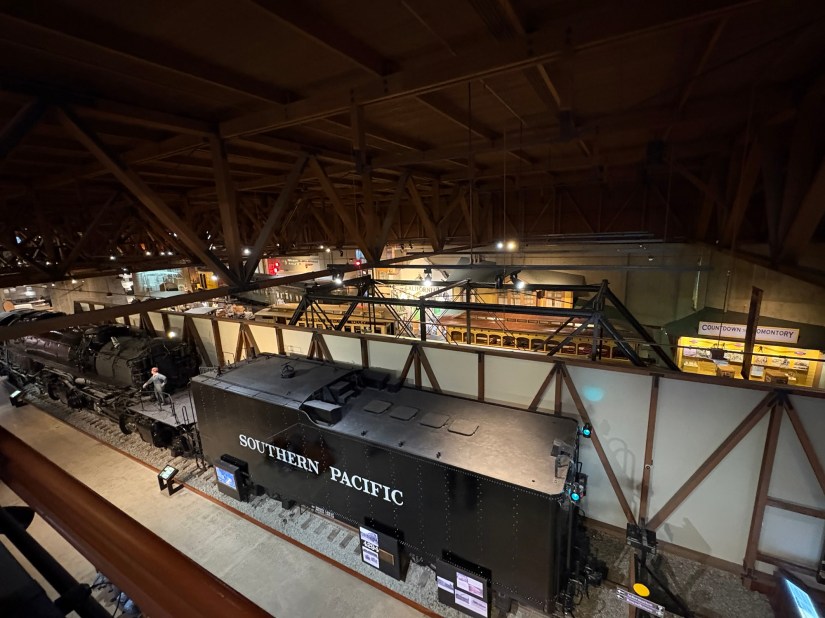
The California State Railroad Museum preserves and exhibits railroad history across the United States, with a special focus on the role the trans-continental railroad had in linking the new state of California to the rest of the United States. Trains were an integral part of economic development in the mid to late nineteenth century, and shaped the culture of the West. The museum is part of the California State Parks system and features 19 steam locomotives on display from between the years 1862-1944. At time of writing, exhibits include the Chinese Railroad Worker’s Experience- highlighting the hard work and efforts by Chinese workers who faced severe prejudice and were marginalized by society- and the Golden Spike Gallery celebrating the completion of the first trans-continental railroad in Promontory Summit, Utah.
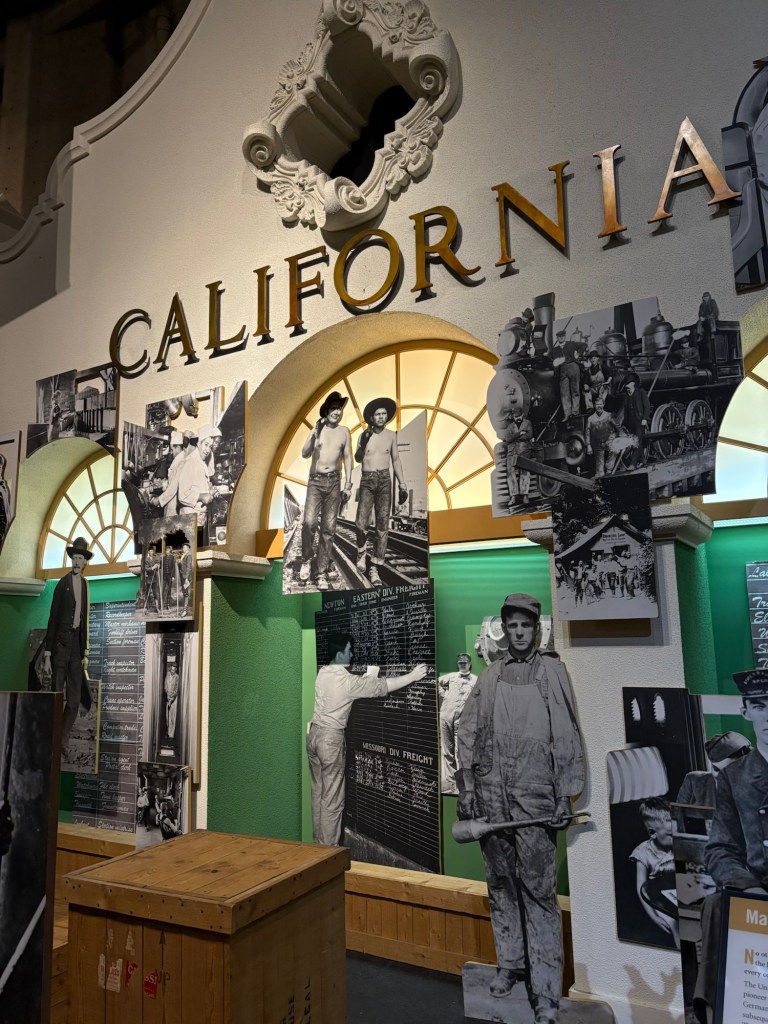
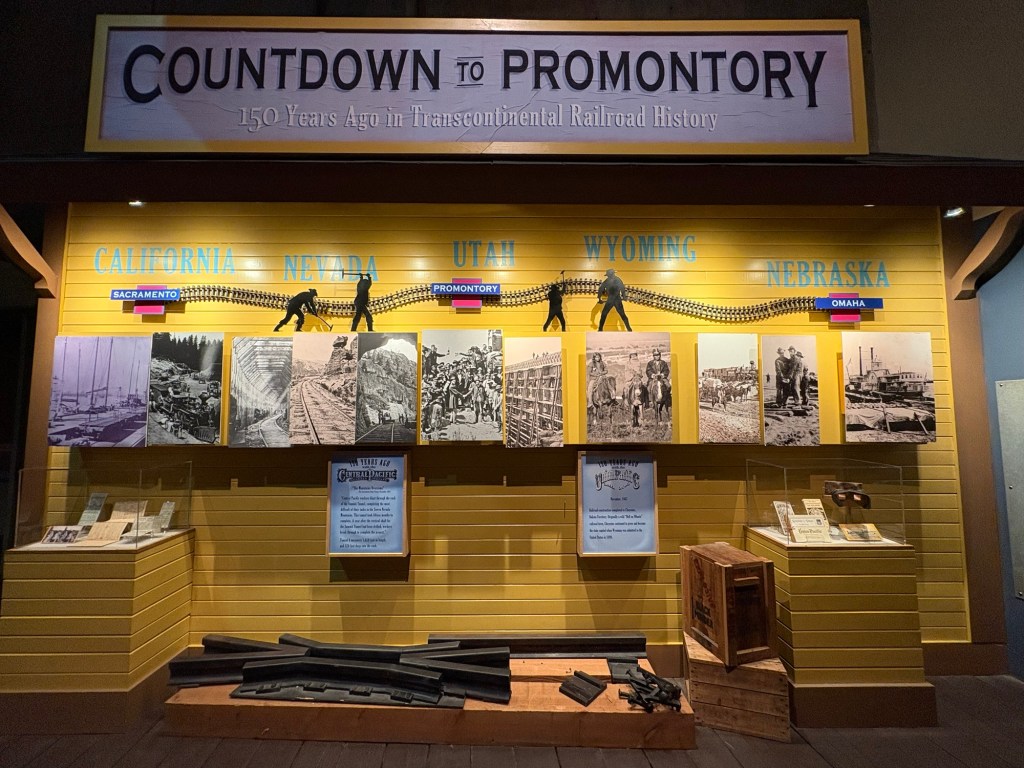
After paying the reasonable admission fee, we headed into the museum. We took our time walking through each exhibit, much to the delight of my inner history nerd. Though I vaguely recall facts I had learned in fourth grade California history about the role of railroads in the development of the state as an economic powerhouse, it was interesting to take a deeper dive into the impacts on agriculture and urban development. Rail, especially the development of ice-cooled boxcars, made the transportation of fruits and veggies across country much more efficient, creating higher demand for California agriculture. Today, over 150 years later, rail continues to be a driving force in the California economy.

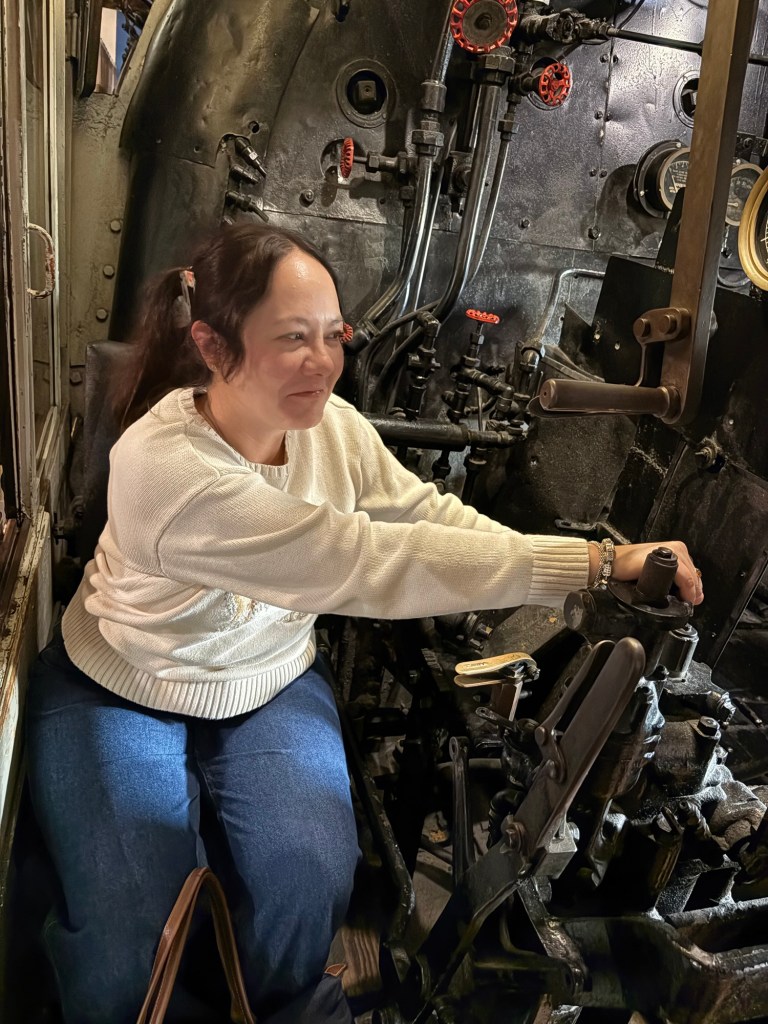
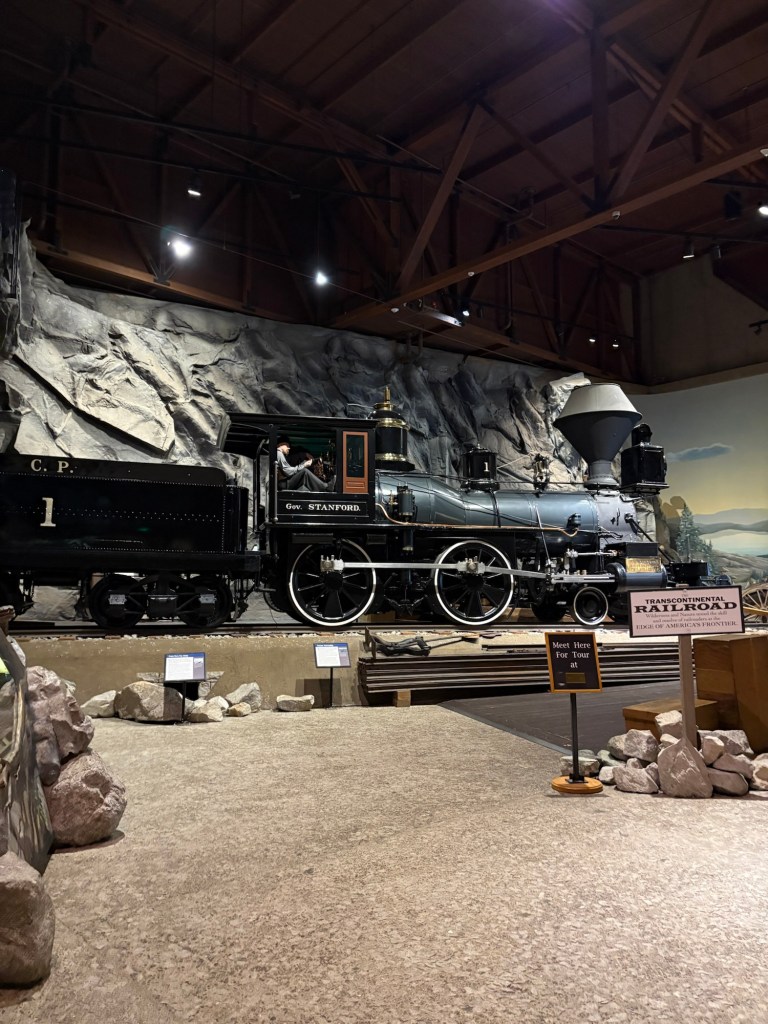
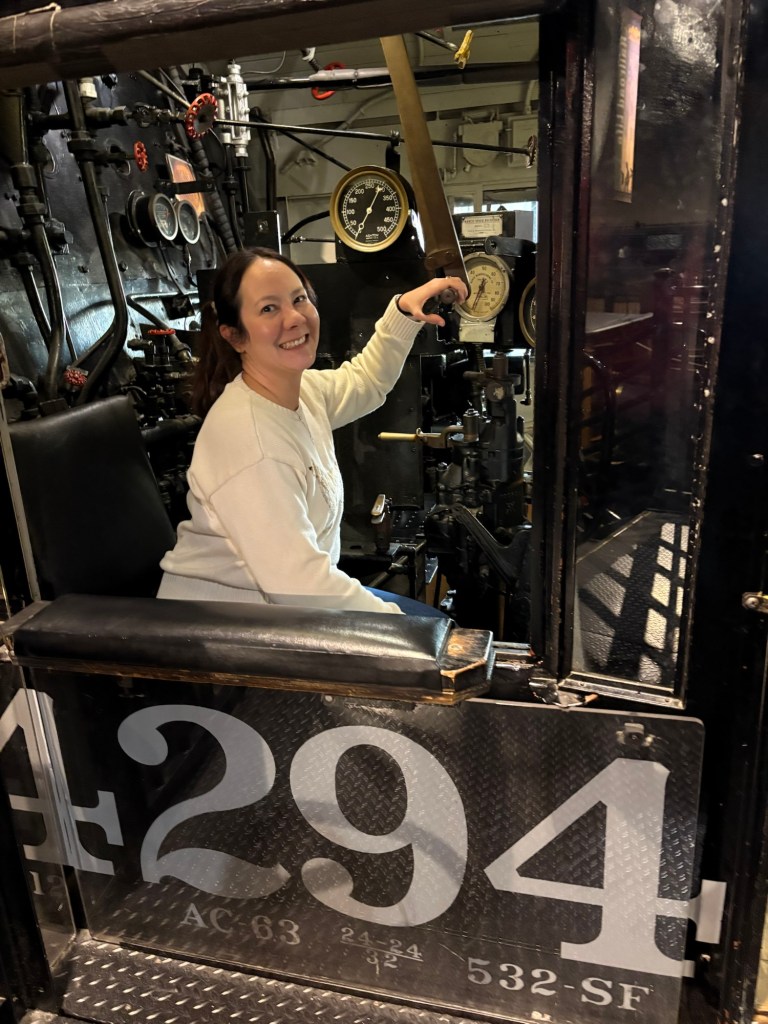
Perhaps even more fun, however, was how interactive the museum is. Many of the train cars can be walked through, and explored. The photos above are an example of such interactive lessons. The docent informed us of how a train engineer would stop and slow a massive locomotive. He gave a little ‘quiz’ at the end, and being the first in my party to sit in the engine, I was relieved to have passed the test.
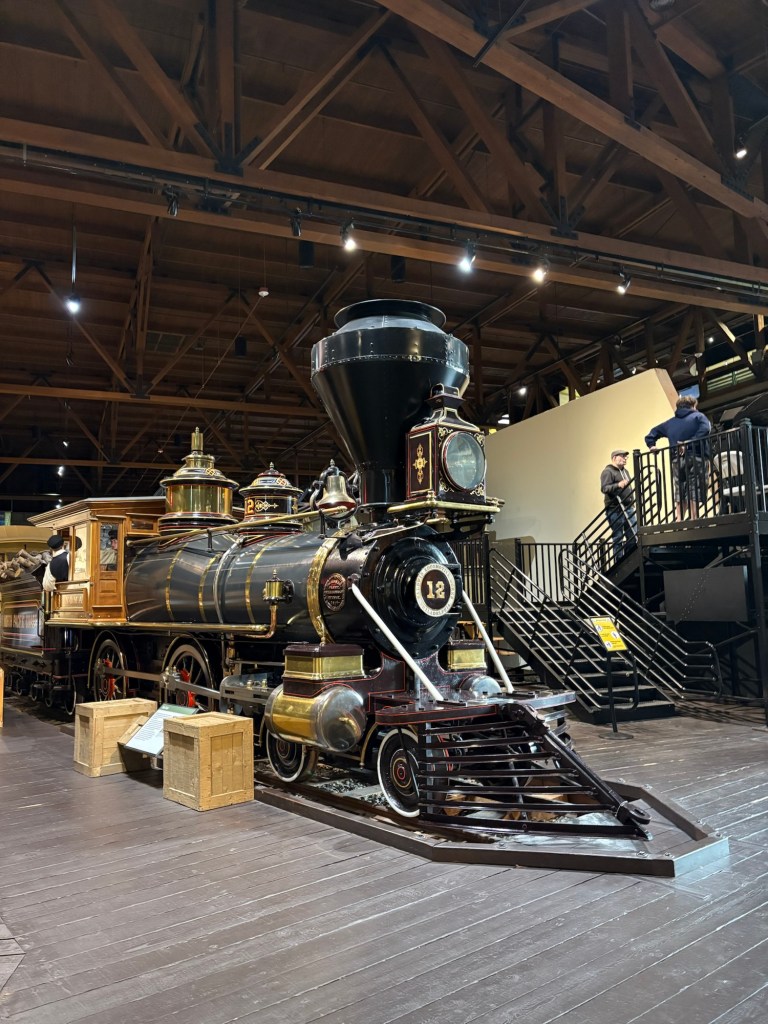
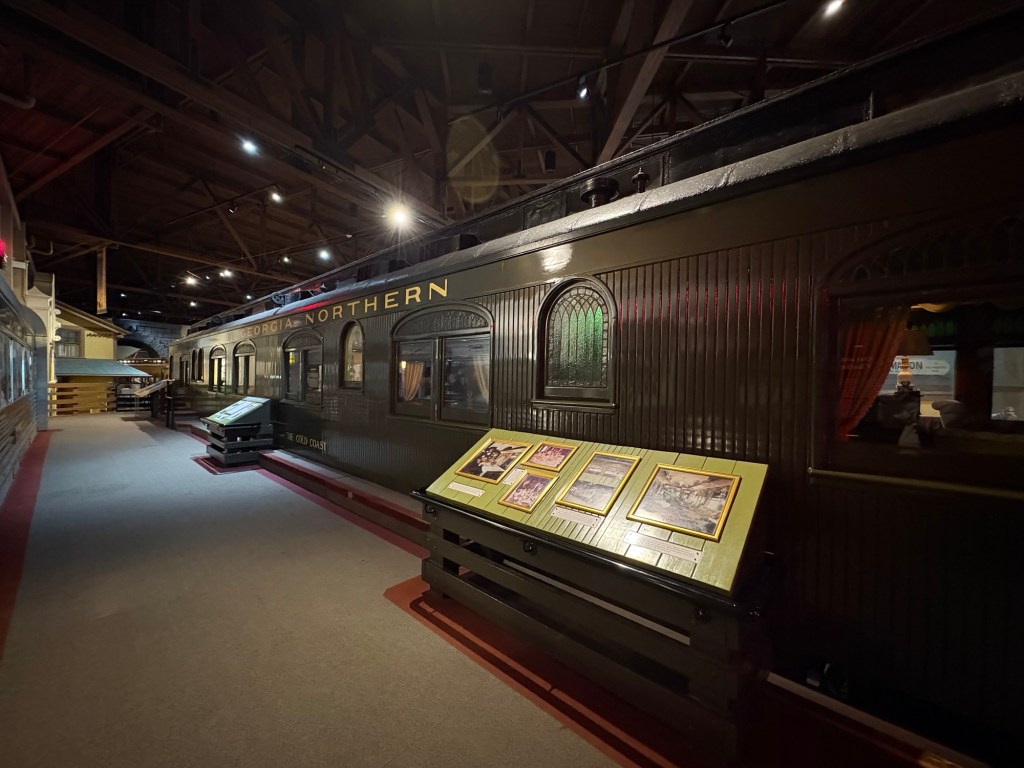
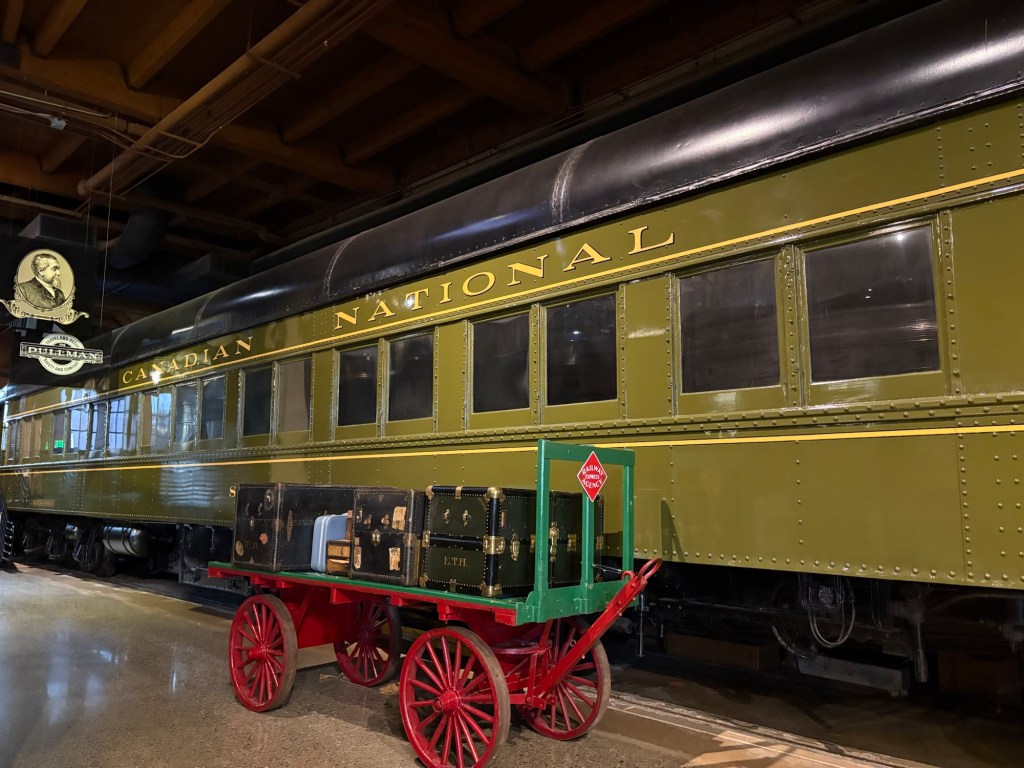
After taking many photos aboard the engine, we walked on walking through sleeping and dining cars that once made their way across the state. Having taken the Amtrak across California many times when I was in college, it was fun to imagine what it would have been like when trains were a main form of interstate transportation- and a bit fancier.
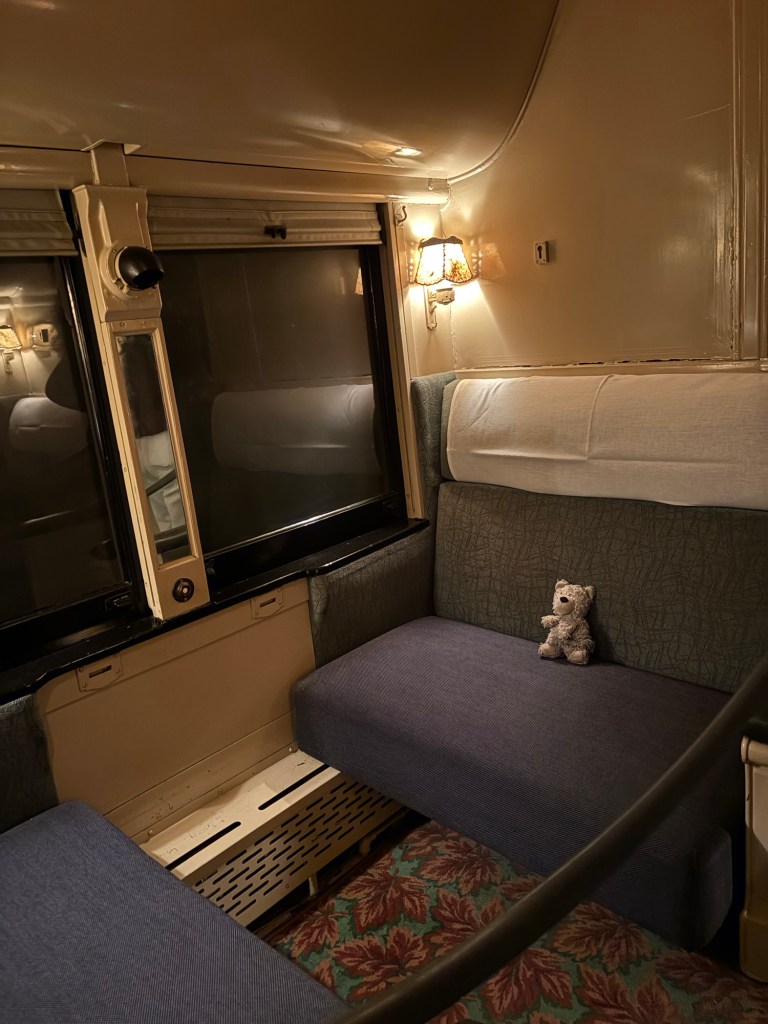

After walking the ground floor, we walked up the stairs to the second floor of the museum. Featured on this level is an impressive collection of model trains across various gauges. It is every model train enthusiast’s dream.

We first walked through was The Magic of Scale Model Railroading, an exhibit in partnership with the National Model Railroad Association. This collection features a number of vintage train cars and model train kits. There is also a fun little model train layout all decked out for the upcoming Christmas holiday.
Walking on, we found several interactive layouts in the Small Wonders: The Magic of Toy Trains exhibit, with over 1000 toy trains on display. It was fun to push all the buttons to make the trains go and play spot it games with various aspects of the scenic layouts.
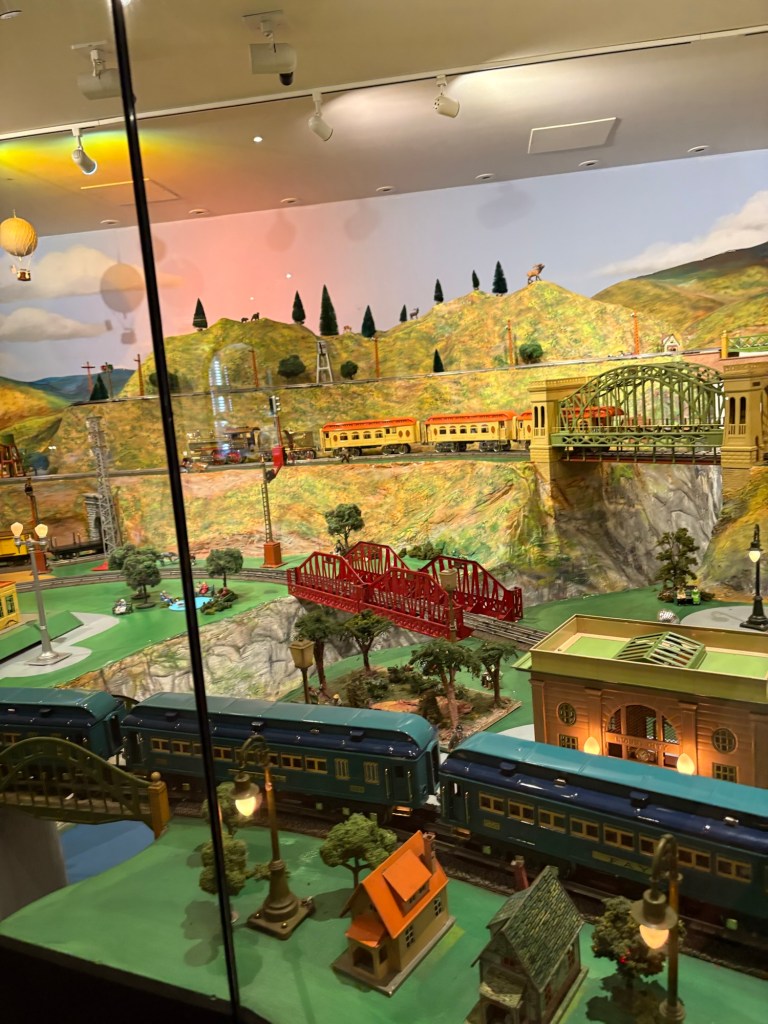
After looking at the model train setups and reminiscing about days gone by both in our kids’ childhoods and our own, we started the trek back downstairs. The museum would be closing in about 30 minutes at that point, and my colleagues and I wanted to stop in the gift shop for souvenir Christmas presents for our own train enthusiasts back home.
Some things to consider:
At time of writing, admission to the California State Railroad Museum is $12 for adults and $6 for youth. Children under 5 are free. The museum also accepts the California Adventure Pass, a program for public school students in fourth grade and their families, similar to the federal Every Kid Outdoors pass.
The California State Railroad Museum has a number of locomotives and rail cars in their extensive collections, however the number of engines on display is limited. Exhibits may also change from time to time.
There are a number of special events hosted by the museum. For example, the Polar Express train ride occurs during the month of December, with tickets selling out in advance. Check out the calendar of events for more information.
The adventure was not over yet, however. The Polar Express was happening that evening, and while we were not participating in the special holiday event, we were able to view some of the festivities going on outside the museum building. While the highlight of the visit was the railroad museum, there are many other activities as well as tours in and around Old Sacramento. We were also able to walk the old-timey streets of the historic district before grabbing some dinner. There are a number of cute boutiques and candy stores to delight many a shopper. And sunset over the Tower Bridge was especially pretty with the Christmas decorations in the foreground. Though we had arrived late in the afternoon, it felt like a full day with so much to see and do.
But perhaps best of all is the time I got to spend with those I am fortunate to call friends and colleagues. After all, life is an adventure meant to be shared, and the journey is best when taken with friends.
References:
OAH | Old Sacramento, 2025, http://www.oah.org/process/huddleson-old-sacramento/.
California State Parks. “Old Sacramento State Historic Park.” California State Parks, 2025, http://www.parks.ca.gov/?page_id=497.
“History.” Old Sacramento Waterfront, 11 July 2022, http://www.oldsacramento.com/history.
This Day in History, 2025, sachistorymuseum.org/field-trips/fun-facts/.


 The Cranky Camper
1 thought on “Old Sacramento: I Like Trains!”