coffee, Europe and the United Kingdom, Family, Historical sites, history, Kids, Opinion, outdoors, Style, Travel, Uncategorized, Vacation, writing

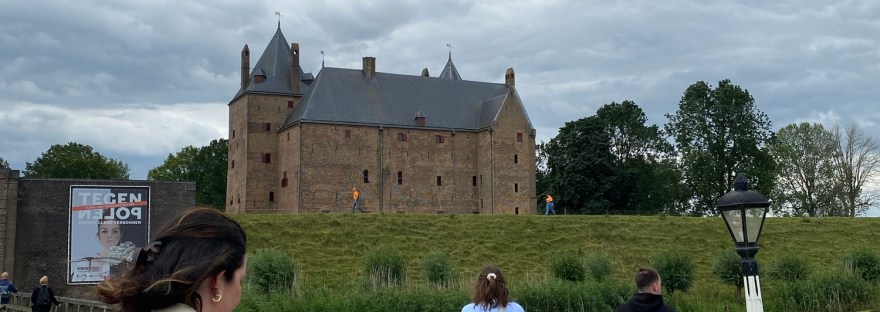
Slot Loevestein

The fourth post in our Netherlands series sends us to Slot Loevestein. This medieval castle played a role in the defense of the Dutch Waterline up through World War II. We spent the day as a family, exploring the castle and the scenic towns surrounding it, while learning about its rich history.
Europe and the United Kingdom, Historical sites, history, Kids, Museums, Opinion, Travel, Uncategorized, Vacation, writing

The Berlin Wall

The Cranky Camper family visits the Berlin Wall and the place that once divided East and Western Europe. The remnants of the wall stand as a monument to a divided history that will hopefully never be repeated. We also reflect on what Berlin may have looked like when my dad was stationed in the American sector many years ago.

american west, Camping, Family, Hiking, national parks, outdoors, Style, Travel, Uncategorized, Vacation, writing

Arches National Park

Arches National Park in Moab, Utah is home to thousands of arches and natural rock formations, including the famed Delicate Arch.

Europe and the United Kingdom, Historical sites, history, Hobbies, Money savers, Museums, Travel, Uncategorized

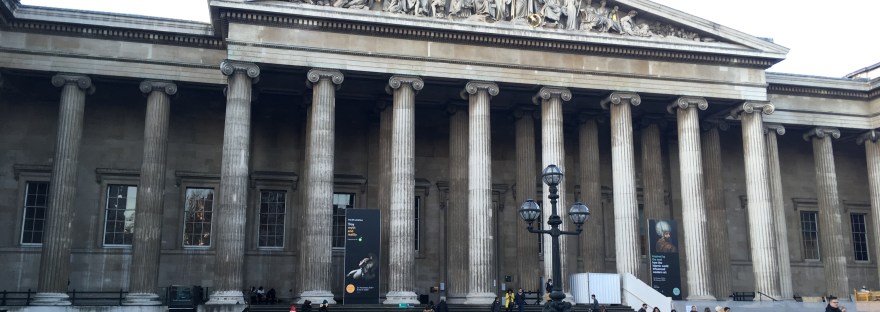
Fun, Fabulous, and Free London Museums

London is famous for having some amazing museums with extensive collections. During out stay, we visited two spectacular public museums with extensive collections documenting millennia of natural and human history. A science lover, I enjoyed learning at the Natural History Museum. To learn more about the history and ancient civilizations the kids were studying in school, we visited the British Museum. Both are public museums that are free admission.

coffee, Europe and the United Kingdom, Hiking, Museums, outdoors, Travel, Uncategorized, Vacation

Prehistoric History: Stonehenge

Our first full day in England was spent at prehistoric Stonehenge and in Salisbury. Stonehenge is a designated UNESCO World Heritage Site and it thought to have been built in during the later part of the Neolithic Era and the Bronze Age between 3000 and 1250 BC. Today, it stands, millennia later, as a testament to human ingenuity.